
Navigating Remote Work and Housing Flexibility: The New Norm for Homebuyers

Remote work has permanently reshaped how people live—and how they buy homes. What began as a temporary shift has evolved into a long-term lifestyle change, making remote work and housing one of the most important conversations in today’s real estate market.
Homebuyers are no longer just searching for location and layout. They’re prioritizing flexibility, functionality, and spaces that support productivity. From dedicated offices to larger floor plans, flexible housing options are now essential.
Let’s explore how this shift is redefining homebuying.
Remote Work Is Driving New Homebuyer Priorities
As more professionals work from home full-time or part-time, buyers are rethinking what they need from a property. Commute distance matters less, while livability matters more.
Today’s buyers focused on buying a home for remote work are looking for:
- Dedicated home offices or bonus rooms
- Larger living spaces for work-life balance
- Strong internet infrastructure
- Quiet neighborhoods
- Outdoor areas for breaks and wellness
These changing priorities are influencing everything from home design to neighborhood demand.
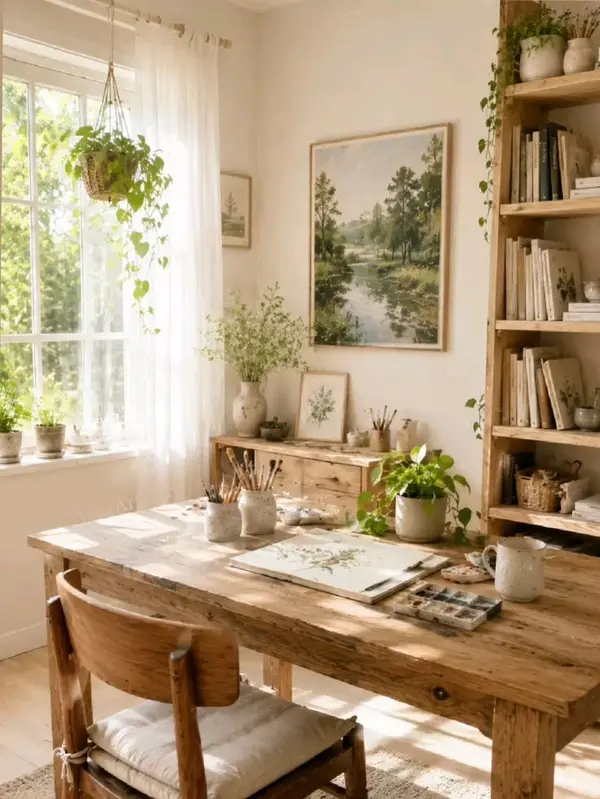
Home Office Trends Are Here to Stay
One of the clearest outcomes of remote work is the rise of home office trends. Buyers increasingly expect:
- Separate office rooms with doors
- Built-in desks or custom workspaces
- Soundproofing or privacy features
- Natural lighting for productivity
- Multi-purpose rooms that can adapt over time
Home offices for remote work are no longer optional add-ons—they’re becoming standard features in many listings.
Homes that offer flexible layouts often attract stronger buyer interest and faster sales.
Flexible Housing for Remote Workers Is Expanding Location Choices
Remote work allows buyers to think beyond traditional job-centered neighborhoods. Without daily commutes, many are exploring suburban or quieter areas that offer more space and affordability.
This demand for flexible housing for remote workers is reshaping local markets by:
- Increasing interest in larger homes outside city centers
- Boosting demand for properties with guest rooms or ADUs
- Supporting growth in communities once considered “too far”
Buyers now prioritize lifestyle over proximity, opening up entirely new housing possibilities.
What This Means for Buyers and Sellers
For buyers, today’s market offers opportunities to find homes that support both professional and personal life—if you know what to look for.
For sellers, highlighting features like home offices, flexible floor plans, and outdoor space can significantly improve market appeal.
Understanding remote work and housing trends helps both sides make smarter, future-ready decisions.
Final Thoughts
Remote work has permanently changed the definition of “home.” With rising demand for home offices, adaptable layouts, and flexible housing options, today’s buyers are reshaping the real estate landscape.
Whether you’re buying a home for remote work or preparing to sell, aligning with these evolving priorities can give you a competitive edge.
If you’d like help finding flexible housing options—or want to understand how remote work trends affect your local market—I’m here to help.
Categories
Recent Posts




GET MORE INFORMATION

Parisa Samimi
Founder & Real Estate Broker License ID: 01858122
Founder & Real Estate Broker License ID: 01858122