
Should You Sell Your Bay Area Home Before or After Downsizing?
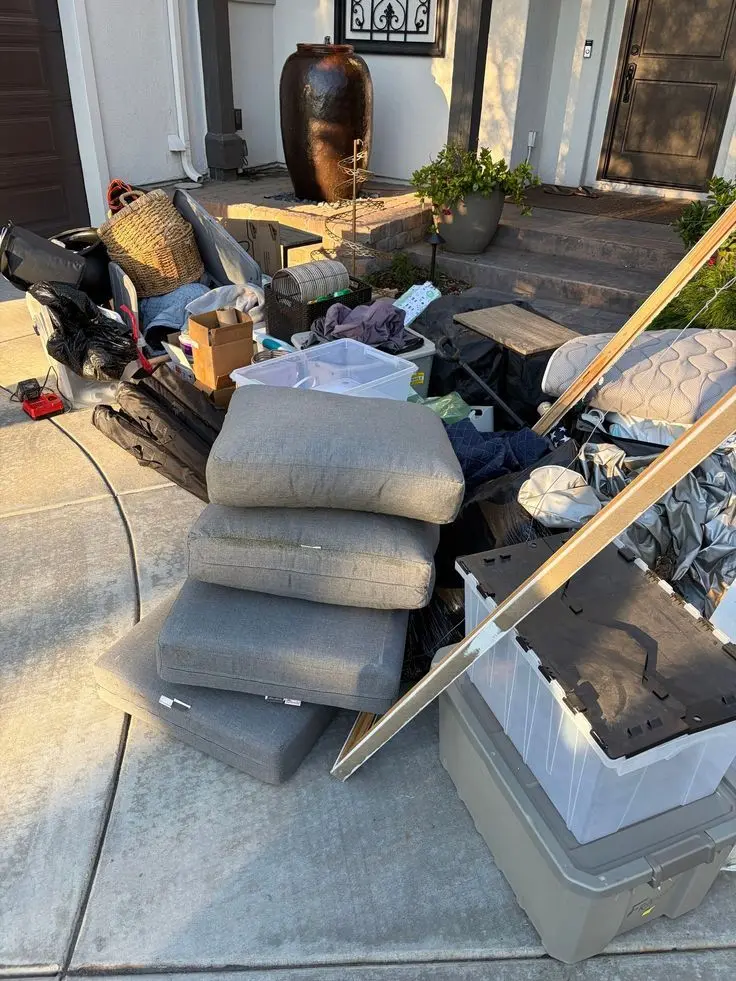
If you're planning to move into a smaller home, one of the biggest questions you may face is:
Should you downsize your belongings before selling your current home—or wait until after it sells?
For many Bay Area homeowners, especially those who have lived in the same home for years or decades, this decision can affect everything from how the home shows to buyers to how stressful the eventual move becomes.
The right answer depends on your timeline, finances, the condition of your home, how much you've accumulated, and your overall selling strategy.
In many cases, the best approach is not to choose one or the other completely. Instead, it is often helpful to begin downsizing before listing while saving some final decisions for after the sale.
Why Downsizing Before Selling Can Make Sense
Downsizing before listing can make preparing your home for sale much easier.
When you remove excess belongings, furniture, and clutter, buyers may be able to see the home's space and features more clearly.
This can improve:
- Room flow
- Visible square footage
- Closet presentation
- Storage areas
- Photography
- Video marketing
- Overall buyer perception
A crowded home can make even a spacious property feel smaller than it actually is.
By beginning the downsizing process before listing, you can prepare the home while also reducing the number of belongings you eventually need to move.
The Biggest Advantage: Your Home May Show Better
Buyers are trying to understand the property—not your belongings.
If rooms are crowded with excess furniture, boxes, collections, and personal items, buyers may have difficulty seeing:
- Room dimensions
- Storage capacity
- Natural light
- Architectural features
- Traffic flow
- The potential of each space
Strategic downsizing before listing can help create a cleaner and more marketable presentation.
This doesn't mean your home needs to be empty.
It means buyers should be able to focus on the home itself.
Downsizing Before Selling Can Reduce Moving Stress
Every item you decide not to keep before the move is one less item you have to:
- Pack
- Move
- Unpack
- Store
- Organize later
This can be especially valuable if you're moving from a large Bay Area home into a smaller condominium, townhome, or single-level property.
Moving everything first and making decisions later may sound easier, but it can create a second downsizing project after you've already moved.
Why Some Homeowners Prefer to Wait
Waiting until after the sale can make sense in certain situations.
For example, you may not yet know:
- Where you're moving
- How much space your next home will have
- What furniture will fit
- Whether family members want certain belongings
- How quickly you need to move
If you don't know what your next home looks like, it can be difficult to decide what to keep.
You may also need some of your furniture to help your current home feel functional while it is on the market.
The Risk of Waiting Until After the Sale
The biggest problem with waiting is that the timeline can suddenly become much shorter.
Once your home is under contract, you may need to coordinate:
- Packing
- Moving
- Final cleaning
- Buyer inspections
- Appraisal
- Closing
- Your next move
Trying to sort through decades of belongings during this period can create unnecessary pressure.
You may feel forced to make quick decisions about items that deserve more thought.
The Best Approach for Many Sellers: Start Before Listing
For many homeowners, the most practical strategy is to start downsizing before listing, but don't force yourself to make every final decision immediately.
Begin with items that are easy to remove.
Consider:
- Broken items
- Expired products
- Duplicates
- Clothing you no longer wear
- Unused household items
- Old electronics
- Excess furniture
- Things stored for years without being used
These are often easier decisions and can immediately reduce the amount you will eventually need to move.
Keep What Helps the Home Show Well
Before listing, you may want to keep enough furniture and décor to help buyers understand the home's layout.
For example:
- A sofa can define the living room.
- A dining table can establish the dining area.
- A bed can show bedroom scale.
- Outdoor furniture can demonstrate how a deck or patio can be used.
The goal is not to remove everything.
The goal is to eliminate what makes the home feel crowded while keeping enough to make the property feel functional and inviting.
What Should You Downsize Before Listing?
Before your home goes on the market, prioritize items that are clearly not coming with you.
This may include:
Excess Furniture
Remove pieces that make rooms feel crowded or block traffic flow.
Clothing and Personal Belongings
Sort through closets and pack items you don't need regularly.
Garage and Storage Items
Clear out items you no longer use rather than moving them from one storage area to another.
Duplicate Household Items
Most households have more than one version of items they rarely use.
Unused Decorative Items
Simplifying shelves and surfaces can help rooms feel larger and more organized.
What Can Wait Until After You Sell?
Some decisions may reasonably wait until you know more about your next move.
This can include:
- Furniture that may fit in your next home
- Family heirlooms
- Valuable collections
- Sentimental belongings
- Items you need during the transition
- Furniture that is helping stage the current home
The important thing is to separate temporary decisions from indefinite postponement.
If you decide to wait, create a plan for when the decision will be made.
Consider Your Financial Situation
Your financial strategy can also influence whether you downsize before or after selling.
If you need the proceeds from your current home to purchase your next property, you may have a different timeline than someone who can buy before selling.
You may also need to consider:
- Temporary housing
- Moving costs
- Storage costs
- Carrying two properties
- Financing requirements
These factors can affect how much time you realistically have to complete the downsizing process.
What If You Need to Sell Quickly?
If your selling timeline is short, focus on the items that will have the greatest impact on presentation.
Prioritize:
- Main living areas
- Kitchen counters
- Bedrooms
- Bathrooms
- Closets
- Garage
- Outdoor spaces
You may not need to sort every document or sentimental item before listing.
Instead, focus first on making the home ready for buyers.
Other belongings can be packed into clearly organized boxes for later decisions, as long as they do not interfere with photography, showings, or the overall presentation of the property.
Consider the Condition of Your Home
The condition of your home can also affect the strategy.
If the property needs:
- Painting
- Repairs
- Flooring work
- Landscaping
- Staging
decluttering should be coordinated with those projects.
There is little value in fully organizing a room only to move everything again for painting.
A coordinated preparation plan can save time and effort.
Don't Downsize Based on a Generic Checklist
Every home and move is different.
The right approach depends on:
- How long you've lived in the home
- How much you've accumulated
- Your home's size
- Your next home's size
- Your timeline
- Your finances
- The property's condition
- The target buyer
- Your selling strategy
This is why a personalized plan can be more effective than trying to follow a one-size-fits-all checklist.
A Practical Hybrid Timeline
For many Bay Area homeowners, a hybrid approach works best.
2–3 Months Before Listing
Begin with easy decisions.
Remove:
- Broken items
- Duplicates
- Unused belongings
- Excess clothing
- Unwanted furniture
1–2 Months Before Listing
Focus on:
- Closets
- Garage
- Storage areas
- Excess furniture
- Personal items
Coordinate repairs and home preparation.
2–4 Weeks Before Listing
Finalize the home's presentation.
Remove unnecessary décor and belongings.
Complete:
- Cleaning
- Minor repairs
- Staging
- Photography preparation
After Listing or Under Contract
Pack the items you are taking with you.
Finalize decisions about:
- Sentimental belongings
- Family heirlooms
- Furniture needed for the move
Before Moving
Complete the final removal of everything that will not be staying in the home.
Should You Downsize Before Buying Your Next Home?
If you already know you're moving into a smaller property, beginning early can make the purchase process easier.
You will have a clearer understanding of:
- How much space you actually need
- Which furniture you want to keep
- What type of storage you require
- Which home features matter most
In other words, downsizing can help you define what you're looking for in your next home.
The Bay Area Perspective
For Bay Area homeowners, downsizing decisions can be particularly important because homes vary widely in size, layout, and value.
Moving from a larger East Bay home into a smaller Berkeley condominium, for example, may require significantly more downsizing than moving to another single-family property.
The best strategy should take into account both your current property's market preparation and your next home's requirements.
When You Should Definitely Start Downsizing Before Selling
You should strongly consider starting before listing if:
- You've lived in the home for many years
- You're moving into a significantly smaller home
- Your closets or garage are full
- Rooms feel crowded
- You have large amounts of furniture
- You have valuable or sentimental belongings requiring careful decisions
- You expect to move shortly after closing
Starting early gives you more options and less pressure.
The Bottom Line
So, should you sell your Bay Area home before or after downsizing?
For most homeowners, the answer is:
Start downsizing before you sell, but don't feel pressured to make every final decision immediately.
Remove the easy items first.
Declutter the areas that affect how the home shows.
Reduce the furniture and belongings you already know you won't take with you.
Then save more complex decisions—such as sentimental items, family heirlooms, and certain furniture—for a planned later stage.
This balanced approach can help your home show better, reduce moving stress, and give you more time to make thoughtful decisions.
About Parisa Samimi
With 25 years of experience in residential and investment real estate, Parisa is recognized as a leading top producer across the San Francisco Bay Area. Her background as a real estate appraiser gives her a rare valuation advantage, allowing clients to make informed, strategic decisions in every market condition.
Parisa's work is defined by precision, integrity, and an unwavering attention to detail. She brings a hands-on, solutions-driven approach to every transaction, ensuring that both buyers and sellers feel guided, protected, and empowered throughout the process.
Her passion for the business is evident in the energy and care she brings to each client relationship, qualities that consistently set her apart. Actively representing both buyers and sellers, Parisa is known for her deep market knowledge, strong negotiation skills, and commitment to achieving exceptional results.
Whether preparing a home for the market, navigating complex investment opportunities, or helping clients find the perfect property, she delivers a thoughtful and elevated experience at every step.
Thinking About Selling and Downsizing Your Bay Area Home?
The right timing can make the entire process easier.
Before you start packing, renting storage, or making major preparation decisions, contact Parisa Samimi for a personalized pre-sale and downsizing consultation.
With 25 years of experience and a background as a real estate appraiser, Parisa can help you evaluate your home's market position, identify the preparation priorities that matter most, and create a strategy that aligns with your selling timeline and next move.
You don't have to downsize everything at once. Start with a strategy that helps you prepare your home, protect your time, and move forward with confidence.
Categories
Recent Posts








GET MORE INFORMATION

Parisa Samimi
Founder & Real Estate Broker License ID: 01858122
Founder & Real Estate Broker License ID: 01858122