
What Must Be Disclosed When Selling a Berkeley Home?
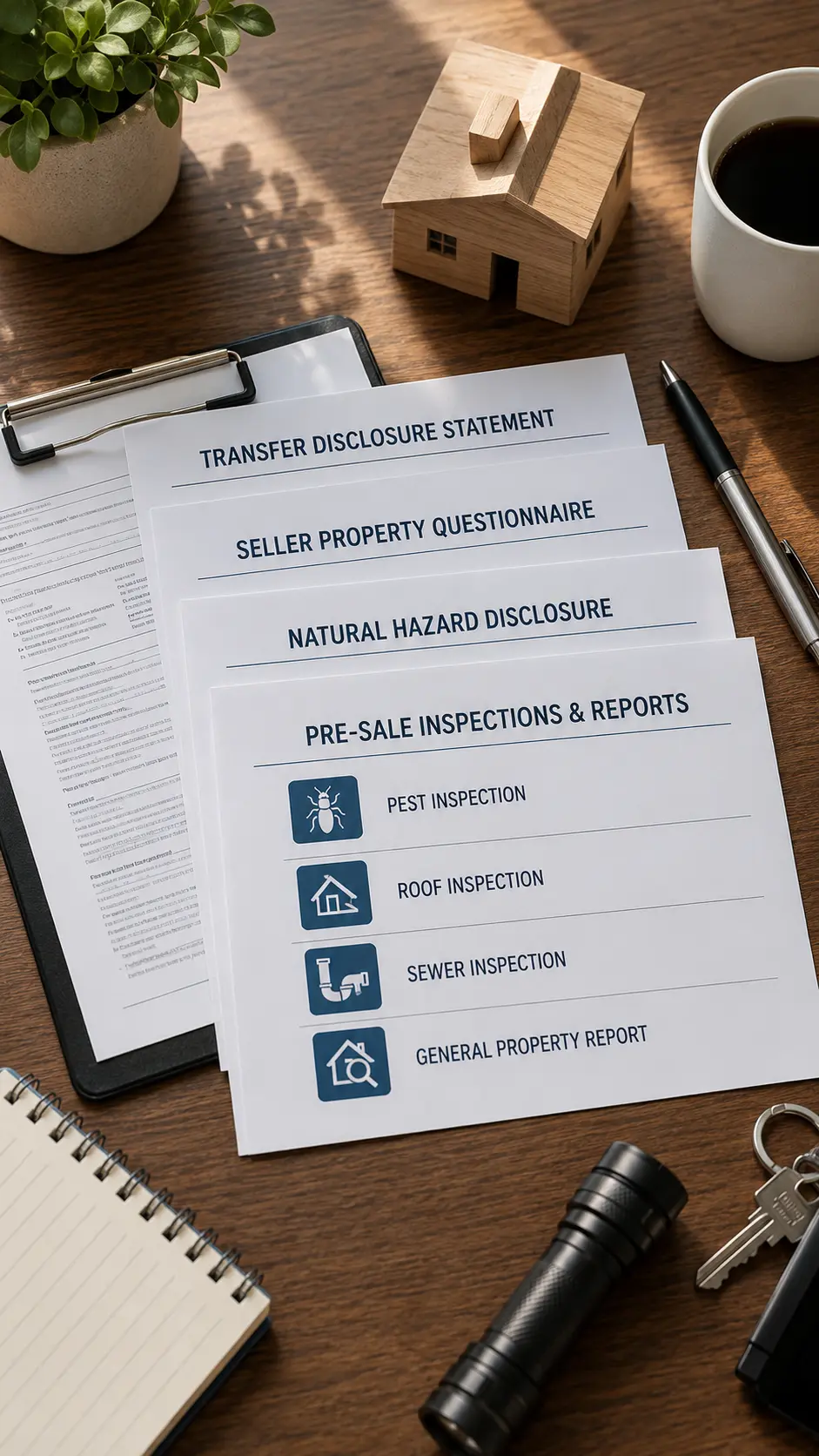
If you're preparing to sell a home in Berkeley, one of the most important parts of the process isn't staging, pricing, or marketing—it's disclosures.
The East Bay is known for its extensive disclosure packages, and buyers have come to expect a high level of transparency before submitting an offer. In fact, many Berkeley homes are sold with pre-sale inspections and comprehensive disclosure packages available upfront, allowing buyers to evaluate the property before making an offer.
For sellers, understanding disclosure requirements is essential. Proper disclosures help build buyer confidence, reduce the risk of future disputes, and often contribute to smoother negotiations and stronger offers.
Why Are Disclosures So Important in Berkeley?
Unlike some markets where inspections occur after an offer is accepted, Berkeley and much of the East Bay operate differently.
Sellers frequently provide:
- Property disclosures
- Inspection reports
- Pest reports
- Sewer inspections
- Roof reports
- Additional property documentation
before offers are submitted.
This approach allows buyers to make informed decisions while reducing uncertainty during escrow.
The more information buyers have upfront, the more confident they typically feel when submitting competitive offers.
What Is a Seller Disclosure?
A seller disclosure is information provided by the homeowner regarding the property's condition, history, and any known issues that could affect value or desirability.
California law requires sellers to disclose known material facts that could influence a buyer's decision to purchase the property.
The key word is known.
Sellers are generally not expected to uncover hidden defects they are unaware of, but they are expected to disclose information they know or reasonably should know about the property.
1. Transfer Disclosure Statement (TDS)
The Transfer Disclosure Statement is one of the most important disclosure documents in a California real estate transaction.
The TDS asks sellers to identify known conditions involving:
- Roof issues
- Plumbing problems
- Electrical concerns
- Structural issues
- Water intrusion
- Repairs and improvements
- Neighborhood nuisances
- Shared property features
The goal is to provide buyers with a clear understanding of the property's known condition.
Common Seller Question
"Do I need to disclose an issue that was repaired years ago?"
In many cases, yes. If a significant issue occurred and was repaired, documenting the history and repair can help provide clarity and transparency.
2. Seller Property Questionnaire (SPQ)
The Seller Property Questionnaire often goes beyond the TDS and requests more detailed information about the property.
Topics may include:
- Remodeling projects
- Permits
- Insurance claims
- Boundary disputes
- Drainage issues
- Previous inspections
- Environmental concerns
- Neighborhood conditions
The SPQ provides buyers with additional context that may not be fully addressed elsewhere.
3. Natural Hazard Disclosure (NHD)
Berkeley properties may be affected by various environmental and geological conditions.
The Natural Hazard Disclosure report identifies whether a property is located within designated hazard zones, such as:
- Earthquake fault zones
- Seismic hazard areas
- Wildfire hazard zones
- Flood zones
Because Berkeley sits in a seismically active region, these disclosures are particularly important for buyers evaluating risk.
4. Inspection Reports
Although not legally required in every situation, pre-sale inspections have become a standard practice throughout much of the East Bay.
Common reports include:
Property Inspection Report
Reviews major systems and visible property conditions.
Pest Inspection Report
Identifies termite activity, dry rot, fungus damage, and other wood-destroying organisms.
Roof Inspection
Evaluates roof condition and remaining useful life.
Sewer Lateral Inspection
Examines underground sewer lines for defects, root intrusion, and deterioration.
Providing inspection reports upfront helps buyers understand the property's condition before making an offer.
5. Berkeley and East Bay-Specific Information
Depending on the property, additional disclosures may be necessary.
Examples can include:
- Sewer compliance documentation
- Permit history
- Solar system information
- Shared driveway agreements
- Easements
- Homeowner association documents
- Rent control or tenant-related disclosures (if applicable)
Every property is different, and disclosure requirements often vary based on the home's history and characteristics.
What Happens If You Don't Disclose Something?
One of the biggest risks sellers face is failing to disclose a known material fact.
Examples may include:
- Chronic leaks
- Foundation movement
- Previous fire damage
- Recurring drainage problems
- Known sewer issues
- Unpermitted work
If a buyer later discovers a significant undisclosed issue, disputes and potential legal claims can arise.
Transparency is almost always the best approach.
Do Inspections Hurt Your Sale Price?
Many sellers worry that inspections will reveal problems and lower their home's value.
In reality, the opposite is often true.
Why Inspections Can Help Sellers
They Build Buyer Confidence
Buyers are more comfortable making strong offers when they understand the property's condition.
They Reduce Uncertainty
Unknown problems create hesitation. Transparency reduces buyer anxiety.
They Support Pricing Strategy
A complete disclosure package allows buyers to evaluate value more accurately.
They Can Minimize Renegotiation
Many East Bay transactions experience fewer repair negotiations because buyers review reports before making offers.
The goal is not to present a perfect home. The goal is to present an honest and well-documented home.
How Disclosures Affect Pricing and Negotiations
Disclosures play a major role in determining buyer perception.
For example:
A Home With Strong Documentation
- Clear reports
- Well-maintained systems
- Completed repairs
- Detailed records
often generates more buyer confidence.
A Home With Missing Information
- Limited disclosures
- Unknown conditions
- Incomplete documentation
may cause buyers to become more cautious.
Transparency frequently contributes to smoother negotiations and stronger overall results.
Preparing Your Disclosure Package Before Listing
The most successful Berkeley sellers often begin preparing disclosures before their home officially reaches the market.
Recommended steps include:
- Gather permits and receipts
- Compile repair records
- Schedule inspections
- Complete disclosure forms carefully
- Review documents with your real estate professional
A proactive approach helps avoid last-minute surprises and creates a more organized transaction.
Work With a Berkeley Real Estate Expert
With seventeen years of experience in residential and investment real estate, Parisa Samimi is recognized as a leading top producer throughout the San Francisco Bay Area. Her background as a real estate appraiser provides sellers with a unique advantage when evaluating property condition, pricing strategy, and buyer expectations.
Known for her precision, integrity, and attention to detail, Parisa helps sellers prepare comprehensive disclosure packages that support transparency, reduce risk, and position homes for maximum market success. From coordinating inspections to developing strategic pricing plans, she provides expert guidance throughout every stage of the selling process.
Thinking About Selling Your Berkeley Home?
A well-prepared disclosure package can make a significant difference in buyer confidence, offer quality, and the overall success of your sale.
Understanding what must be disclosed—and how inspections influence pricing and negotiations—can help you avoid surprises and achieve a smoother transaction.
Contact Parisa Samimi today for a personalized consultation on preparing your Berkeley home for sale. Whether you're planning to list soon or simply exploring your options, she can help you navigate disclosures, inspections, pricing, and marketing with confidence.
Categories
Recent Posts






GET MORE INFORMATION

Parisa Samimi
Founder & Real Estate Broker License ID: 01858122
Founder & Real Estate Broker License ID: 01858122