
Buying a Historic Berkeley Home: What to Watch For
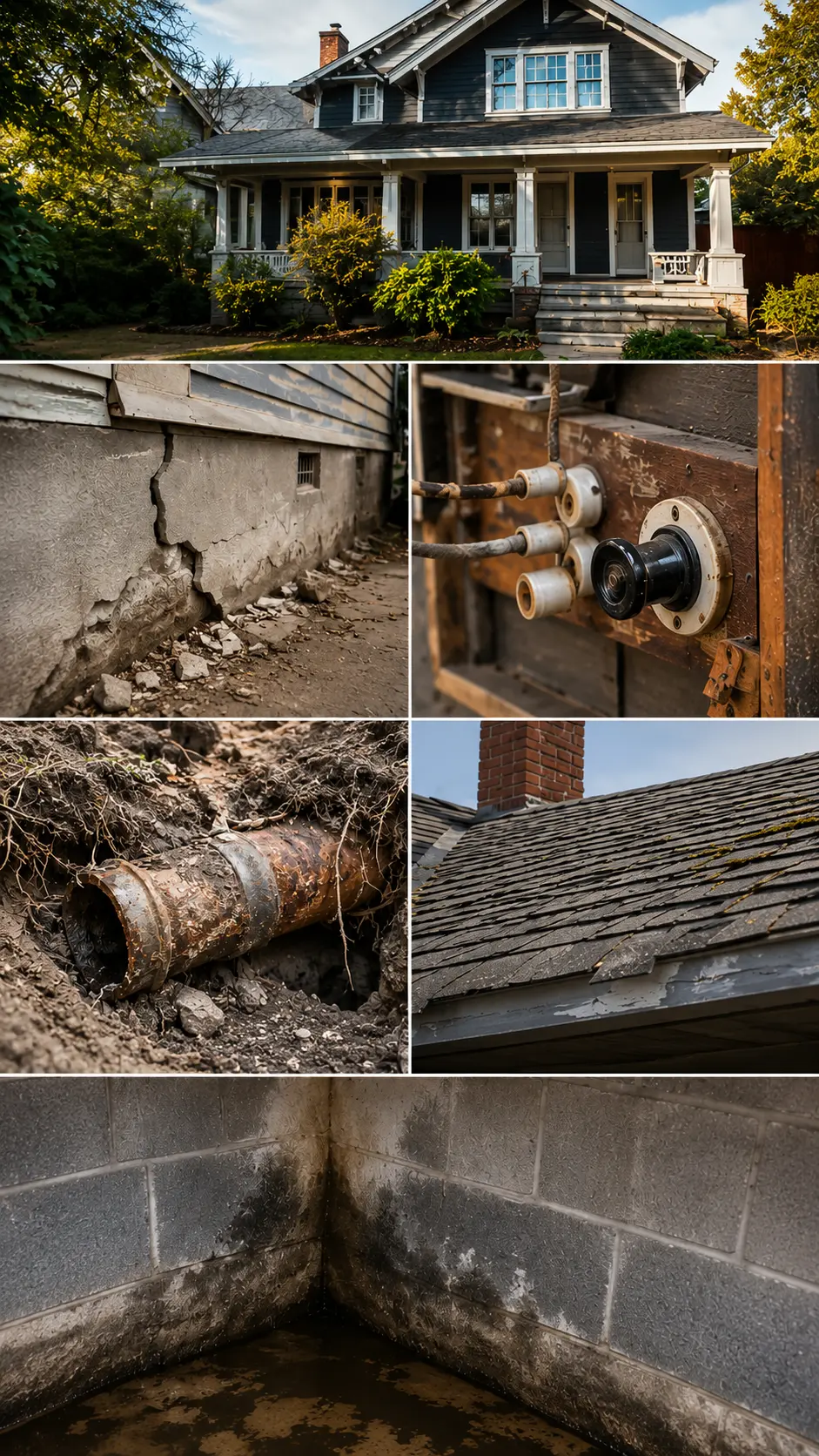
Buying a 100-year-old home in Berkeley is very different from buying a newer property. These homes are often full of character—Craftsman details, original woodwork, historic charm, and architectural significance—but they also come with structural and systems-related considerations that buyers should understand before writing an offer.
In Berkeley’s older housing stock, “historic” often means “well-built but aging systems.” That distinction matters, especially when evaluating long-term maintenance costs, safety upgrades, and inspection findings.
Here’s what every buyer should know before purchasing a century-old Berkeley home.
Why 100-Year-Old Homes Are So Common in Berkeley
Much of Berkeley’s residential housing was built in the early 1900s through the 1940s, especially in neighborhoods like:
- North Berkeley
- Elmwood
- Thousand Oaks
- Berkeley Hills
- Central Berkeley
These homes were built during an era of solid craftsmanship and architectural detail, but before modern building codes, seismic standards, and electrical requirements.
As a result, buyers often inherit a mix of exceptional construction quality and outdated infrastructure.
Foundation and Seismic Considerations
One of the most important areas of focus in older Berkeley homes is the foundation.
Common Foundation Types
- Raised perimeter foundations (crawl spaces)
- Unreinforced masonry
- Early concrete systems
Key Issues to Understand
- Seismic vulnerability: Older homes may not be fully bolted or braced to modern earthquake standards
- Cracking and settlement: Common due to age and soil movement
- Retrofit history: Many homes have partial or full seismic retrofits, but documentation varies
What Buyers Should Do
A structural or foundation inspection can help clarify:
- Whether seismic retrofitting exists
- Whether additional reinforcement is recommended
- Whether cracks are cosmetic or structural
In Berkeley, seismic readiness is not optional—it’s a core evaluation point.
Knob-and-Tube and Outdated Electrical Systems
Many historic Berkeley homes still contain legacy electrical systems.
What Buyers May Encounter
- Knob-and-tube wiring
- 60-amp or 100-amp service panels
- Limited grounding
- Outdated or mixed electrical systems
Why It Matters
These systems may not support modern electrical loads, including:
- EV chargers
- High-efficiency appliances
- HVAC systems
- Home offices and tech equipment
Insurance companies may also require upgrades before providing coverage in some cases.
An electrical inspection is essential to understand upgrade scope and cost.
Sewer Lateral Issues
Sewer systems are one of the most common and expensive hidden issues in older Berkeley homes.
Typical Problems
- Tree root intrusion
- Clay or cast-iron pipe deterioration
- Cracked or collapsed lines
- Offsets or misalignment
Why Buyers Should Care
Sewer lateral replacement can be costly and disruptive, and is often not visible during a standard home inspection.
A dedicated sewer scope inspection is strongly recommended before removing contingencies.
Foundation Drainage and Water Intrusion
Older homes were not built with modern drainage systems.
Common Issues Include
- Poor grading around the foundation
- Inadequate gutter systems
- Water intrusion into crawl spaces or basements
- Moisture-related wood rot
Why It Matters in Berkeley
Berkeley’s hillside terrain and seasonal rainfall patterns can intensify drainage issues, especially in older construction.
Water intrusion can also lead to:
- Mold growth
- Structural deterioration
- Pest infestations
Permits and Unpermitted Work
One of the most important areas of due diligence in older homes is permit history.
What Buyers Often Discover
- Room additions without permits
- Converted garages or basements
- Electrical or plumbing work completed without approval
- Structural modifications over decades of ownership
Why This Matters
Unpermitted work can affect:
- Insurance coverage
- Future resale value
- Financing approval
- Safety compliance
Buyers should carefully review permit records and disclosures before proceeding.
Roof Age and Structural Wear
Many Berkeley homes have older roofing systems that may be nearing or beyond their expected lifespan.
Things to Evaluate
- Roof age and material type
- Evidence of past leaks
- Flashing conditions
- Structural sagging or wear
Roof replacement is a major expense, and its condition can significantly influence negotiation strategy.
Plumbing Systems and Aging Infrastructure
Older homes often contain original or partially updated plumbing systems.
Common Materials Found
- Galvanized steel (corrosion-prone)
- Cast iron drain lines
- Early copper systems
Potential Issues
- Reduced water pressure
- Corrosion and leaks
- Hidden pipe deterioration
A plumbing inspection can help identify whether partial or full repiping may be needed.
Lead Paint and Asbestos Considerations
Homes built before 1978 may contain lead-based paint, and older construction materials may include asbestos.
Where These May Be Found
- Wall paint layers
- Insulation materials
- Floor tiles
- Ceiling textures
- Duct insulation
While not uncommon, these materials require careful handling during renovations.
Deferred Maintenance: The Hidden Variable
Perhaps the most important factor in older Berkeley homes is not age itself—but maintenance history.
Two 100-year-old homes can be dramatically different depending on how they were maintained over time.
Signs of Better Maintenance
- Documented upgrades
- Updated systems (electrical, plumbing, roof)
- Regular repairs and upkeep
- Clean inspection reports
Signs of Deferred Maintenance
- Multiple unresolved inspection issues
- Patchwork repairs
- Outdated systems across multiple categories
- Evidence of long-term neglect
Deferred maintenance often has a greater financial impact than age alone.
The Value of Character vs. Cost of Upkeep
Historic Berkeley homes offer undeniable appeal:
- Original craftsmanship
- Architectural detail
- Mature landscaping
- Unique layouts and charm
However, buyers should balance that appeal against:
- Higher maintenance costs
- Ongoing system upgrades
- Potential retrofit requirements
- Insurance and compliance considerations
The goal is not to avoid older homes—but to understand them fully before committing.
How to Approach an Offer Strategically
In Berkeley’s competitive market, buyers often face pressure to act quickly.
However, older homes require disciplined due diligence.
Before submitting an offer, buyers should:
- Review all available disclosures
- Order key inspections (especially sewer and foundation-related)
- Evaluate upgrade costs realistically
- Understand long-term maintenance expectations
- Align purchase price with condition, not just location
Thinking About Buying a Historic Berkeley Home?
A 100-year-old Berkeley home can be an exceptional purchase—but only when you fully understand its condition and long-term costs.
Proper due diligence can help you avoid surprises and make a confident, informed decision.
Contact Parisa Samimi today for expert guidance on buying historic homes in Berkeley. Whether you're evaluating your first property or expanding your investment portfolio, she can help you assess risk, interpret inspections, and navigate the East Bay market with clarity.
Categories
Recent Posts








GET MORE INFORMATION

Parisa Samimi
Founder & Real Estate Broker License ID: 01858122
Founder & Real Estate Broker License ID: 01858122