
How to Sell a House Held in a Trust?
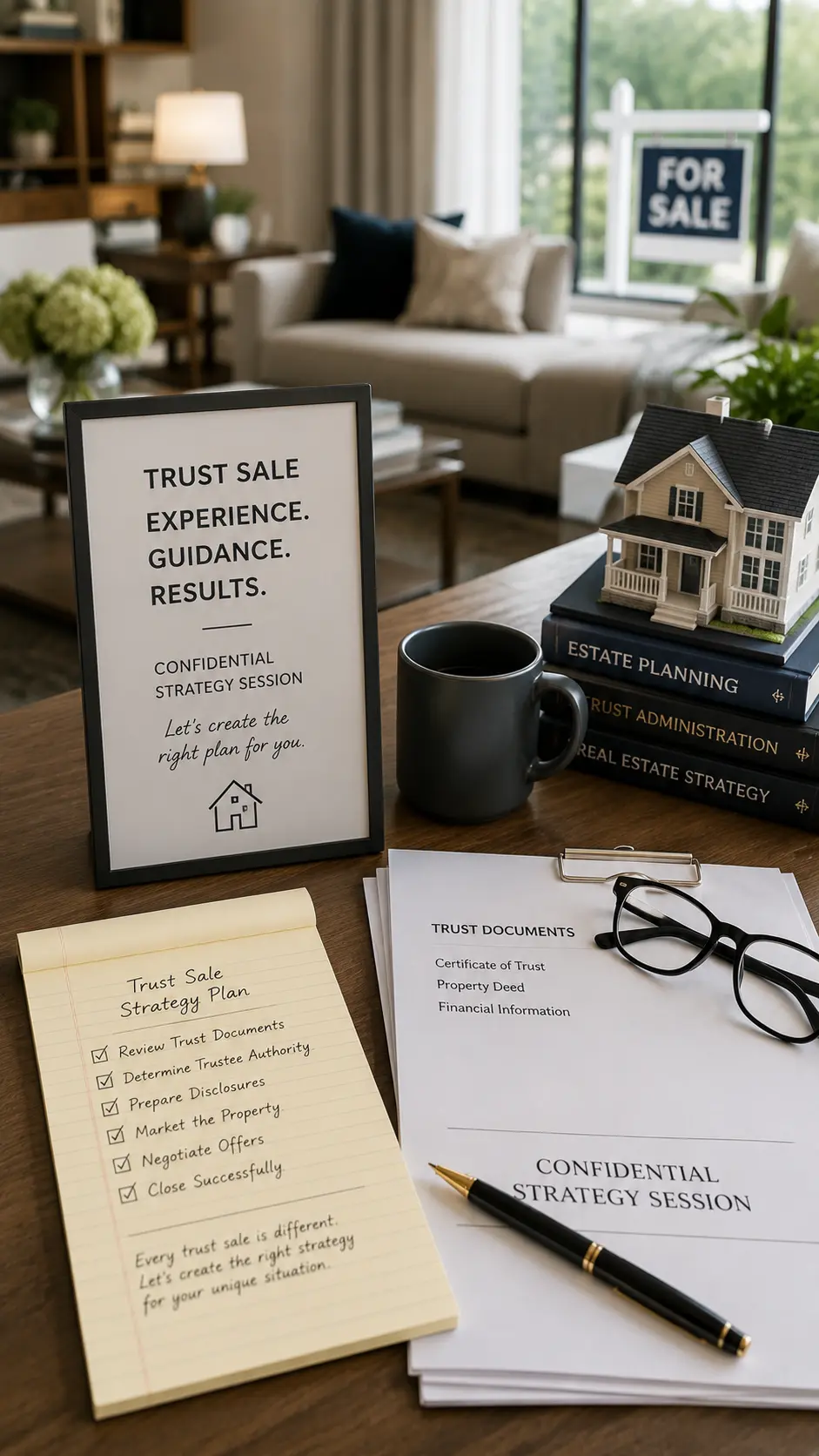
Selling a Trust-Owned Home Doesn't Have to Be Overwhelming
Being named the trustee of a trust often comes with significant responsibility. Along with managing assets and acting in the best interests of the beneficiaries, you may also be responsible for selling a home held in trust. For many trustees, this is their first time handling a trust real estate sale, making the process feel unfamiliar and overwhelming.
The good news is that selling a house held in a trust follows many of the same steps as a traditional home sale—but there are important legal, financial, and fiduciary considerations that make the process unique.
This guide explains how to sell a house held in a trust, what documents you'll need, common mistakes to avoid, and how to maximize the value of the property while fulfilling your responsibilities as trustee.
Step 1: Confirm Your Authority as Trustee
Before listing the property, verify that you have the legal authority to sell the home.
Review the trust agreement carefully to determine:
- Whether the trust is revocable or irrevocable
- Whether you are the acting trustee
- Whether multiple trustees must approve the sale
- Any restrictions regarding the sale of trust assets
The trust document serves as the roadmap for every decision you make throughout the transaction.
Step 2: Gather the Necessary Documents
Trust sales require additional documentation compared to a standard real estate transaction.
Common documents include:
- Certification or Abstract of Trust
- Trust Agreement (if requested)
- Death Certificate (when applicable)
- Property Deed
- Tax Records
- Mortgage Information
- Homeowner Association Documents (if applicable)
Having these documents organized early can prevent delays once escrow begins.
Step 3: Understand Your Fiduciary Duty
As trustee, your responsibility extends beyond simply selling the home.
You have a fiduciary duty to:
- Act in the best interests of the beneficiaries
- Obtain fair market value
- Maintain accurate records
- Make informed financial decisions
- Avoid conflicts of interest
This is one reason pricing the property correctly from the beginning is so important.
Step 4: Determine the Home's Market Value
One of the biggest mistakes trustees make is relying solely on online home value estimates.
Instead, work with a real estate professional who understands:
- Local market trends
- Comparable sales
- Buyer demand
- Property condition
- Neighborhood appreciation
- Investment potential
Accurate pricing attracts stronger buyers, creates better negotiating leverage, and helps fulfill your fiduciary responsibility.
Step 5: Prepare the Home for Sale
Not every trust property requires a complete renovation.
Instead, focus on improvements that deliver the highest return on investment.
These may include:
- Deep cleaning
- Landscaping improvements
- Interior painting
- Minor repairs
- Decluttering
- Professional staging
Many trust properties have been owned for decades, making strategic preparation especially valuable.
Step 6: Complete Required Disclosures
Even though the property is owned by a trust, disclosure requirements still apply.
Depending on your state and the circumstances, disclosure obligations may differ from a traditional owner-occupied sale.
Your real estate agent and legal advisor can help determine which disclosures are appropriate for your transaction.
Step 7: Market the Property Strategically
A successful trust sale is about much more than putting a home on the MLS.
Today's buyers expect:
- Professional photography
- Floor plans
- Video marketing
- Digital advertising
- Targeted online campaigns
- Broker networking
- Open houses (when appropriate)
The right marketing strategy can increase buyer interest and help generate stronger offers.
Step 8: Review Offers Carefully
The highest offer isn't always the best offer.
As trustee, consider:
- Financing strength
- Contingencies
- Closing timeline
- Inspection requests
- Likelihood of closing
Evaluating the complete terms of each offer often produces the best overall outcome for the beneficiaries.
Step 9: Navigate Escrow
Once an offer is accepted, escrow begins.
During this stage you'll typically:
- Sign trustee-specific documents
- Coordinate inspections
- Respond to buyer requests
- Complete title requirements
- Review settlement statements
Staying organized helps keep the transaction on schedule.
Step 10: Distribute Proceeds According to the Trust
After closing, sale proceeds are distributed according to the trust instructions—not personal preference.
Depending on the trust, funds may be used to:
- Pay debts
- Cover estate expenses
- Distribute assets to beneficiaries
- Continue trust administration
Always consult with your attorney and tax professional regarding legal and tax obligations.
Common Mistakes Trustees Should Avoid
Many first-time trustees unintentionally make mistakes that delay the sale or reduce the property's value.
Avoid these common pitfalls:
- Pricing the home incorrectly
- Waiting too long to prepare the property
- Skipping recommended repairs
- Choosing an inexperienced real estate agent
- Poor communication with beneficiaries
- Missing required documentation
- Underestimating the complexity of trust sales
Planning ahead can make the entire process smoother and more successful.
Why Experience Matters in Trust Property Sales
Selling a trust-owned home requires more than traditional real estate expertise. It requires understanding fiduciary responsibilities, valuation strategies, legal documentation, and sensitive family dynamics.
Working with professionals who regularly handle trust and estate transactions can help reduce stress, avoid costly mistakes, and maximize the property's value.
Thinking About Selling a Trust-Owned Property?
Whether you've recently been appointed as a trustee or are helping administer a family trust, having the right guidance can make all the difference.
Contact Parisa today for a confidential consultation. She can help you understand your options, determine your property's current market value, develop a strategic selling plan, and guide you through every step of the trust property sale with confidence and care.
Categories
Recent Posts






GET MORE INFORMATION

Parisa Samimi
Founder & Real Estate Broker License ID: 01858122
Founder & Real Estate Broker License ID: 01858122