
How Long Does It Take to Sell a House in a Trust?
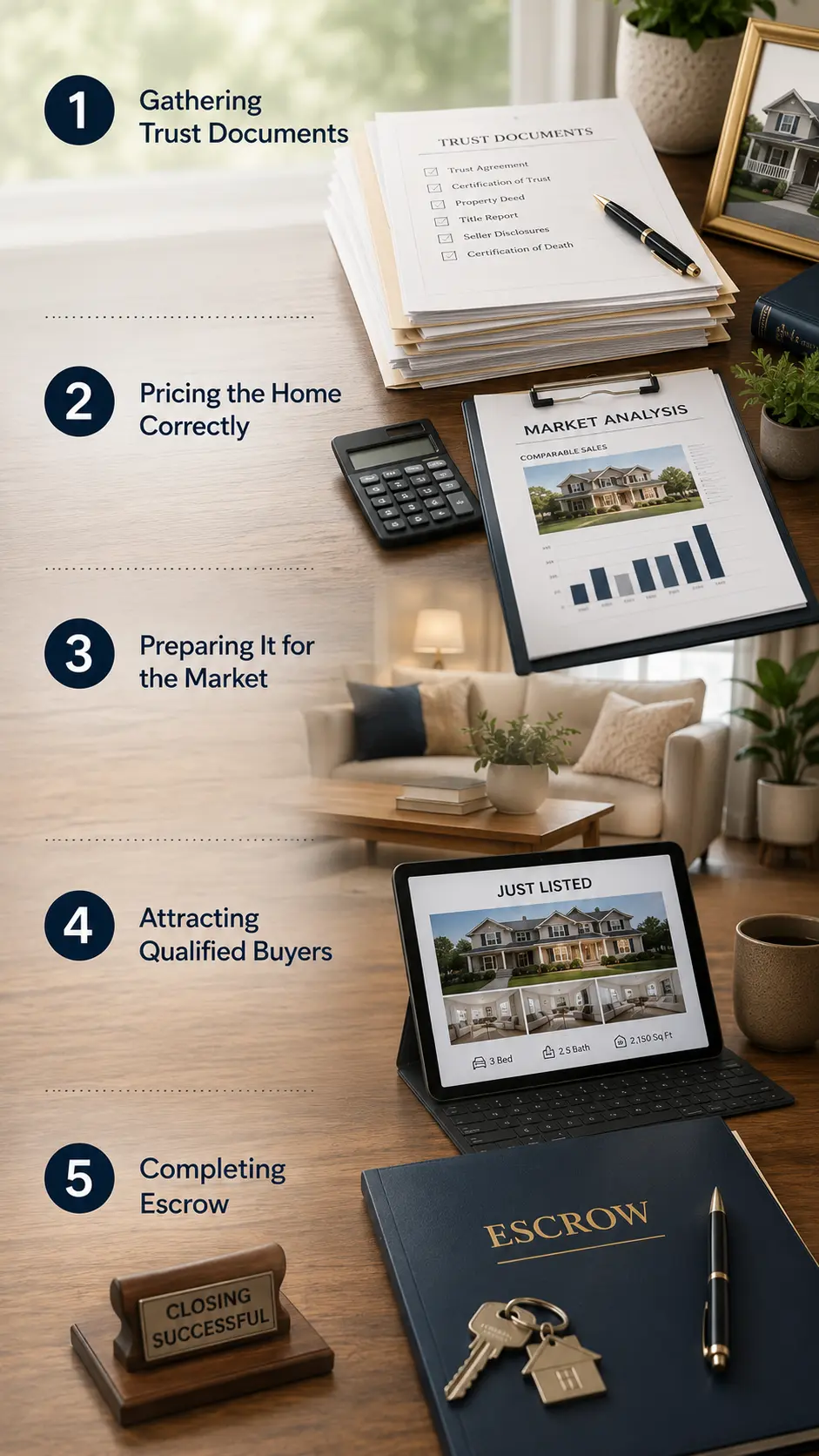
One of the first questions trustees and beneficiaries ask after deciding to sell a trust-owned home is, "How long will the process take?" While there isn't a one-size-fits-all answer, understanding the timeline can help set realistic expectations and reduce stress during what is often an emotional and unfamiliar experience.
In many cases, selling a house held in a trust can take 60 to 120 days from preparation to closing. However, the exact timeline depends on several factors, including the condition of the home, the local real estate market, the completeness of trust documents, and whether there are any disputes among beneficiaries.
Unlike probate sales, trust sales are generally more streamlined because they often do not require court confirmation. Even so, trustees must fulfill fiduciary responsibilities, gather legal documentation, prepare the property, and navigate the transaction carefully to protect the interests of the beneficiaries.
This guide walks through each stage of the trust sale process and highlights what can speed up—or delay—the sale.
Typical Timeline for Selling a Trust-Owned Home
Although every situation is unique, a trust sale generally follows these stages:
Week 1–2: Review the Trust and Confirm Authority
Before listing the property, the trustee should confirm that they have the authority to sell the home. This typically involves reviewing the trust agreement, obtaining a Certification of Trust, and working with the title company or attorney to ensure all required documents are in order.
During this stage, trustees should also:
- Verify ownership of the property
- Obtain certified death certificates if applicable
- Review outstanding mortgages or liens
- Coordinate with an estate planning attorney if questions arise
Starting with complete and accurate documentation can help prevent delays later in the process.
Week 2–4: Evaluate the Property
Pricing the home correctly is one of the trustee's most important responsibilities. Selling too low could violate fiduciary duties, while pricing too high may cause the property to sit on the market.
During this stage, trustees often:
- Request a Comparative Market Analysis (CMA)
- Obtain a professional appraisal if needed
- Review recent comparable sales
- Evaluate the property's condition
- Discuss pricing strategy with a real estate professional
A thoughtful valuation helps position the property competitively and maximize returns for the beneficiaries.
Week 3–6: Prepare the Home for the Market
Many trust properties have been owned for decades and may require preparation before listing.
Common tasks include:
- Cleaning and decluttering
- Removing personal belongings
- Completing minor repairs
- Landscaping and improving curb appeal
- Professional staging
- Professional photography and video
Not every home needs extensive renovations. In many cases, strategic improvements can significantly enhance marketability without delaying the sale.
Week 4–8: List the Property and Begin Marketing
Once the home is ready, it can be listed for sale.
A comprehensive marketing plan may include:
- MLS exposure
- Professional photography
- Digital advertising
- Broker tours
- Open houses
- Social media marketing
- Direct outreach to qualified buyers
The amount of time a property remains on the market depends on local inventory, pricing, buyer demand, and market conditions.
Well-priced homes in competitive markets often receive offers within days, while others may require several weeks.
Week 5–10: Review Offers and Negotiate
After receiving offers, the trustee must carefully evaluate each proposal.
While the highest price is important, trustees should also consider:
- Financing strength
- Contingencies
- Closing timeline
- Earnest money deposit
- Overall likelihood of closing successfully
Accepting the strongest overall offer—not necessarily the highest—often leads to a smoother transaction.
Week 8–16: Escrow and Closing
Once an offer is accepted, the transaction enters escrow.
Typical escrow activities include:
- Buyer inspections
- Loan approval
- Appraisal (if financed)
- Title review
- Disclosure review
- Final walkthrough
- Signing closing documents
Escrow generally lasts between 21 and 30 days, although cash purchases may close more quickly.
After all conditions are satisfied, the sale closes, ownership transfers to the buyer, and proceeds are distributed according to the trust.
What Can Delay a Trust Property Sale?
While many trust sales proceed smoothly, certain issues can extend the timeline.
Incomplete Trust Documents
Missing trust agreements, Certifications of Trust, or death certificates can delay title review and escrow.
Family Disagreements
Although trustees often have authority to sell without beneficiary approval, disputes among family members can create delays if legal challenges arise.
Property Condition
Deferred maintenance, outdated systems, or safety concerns may require repairs before listing or after inspections.
Title Issues
Unresolved liens, ownership discrepancies, or recording errors can postpone closing until corrected.
Pricing the Home Incorrectly
Overpricing may lead to extended market time, while underpricing could raise concerns about the trustee's fiduciary responsibilities.
Buyer Financing Delays
Loan approvals, appraisals, and underwriting can sometimes take longer than expected, especially during busy lending periods.
How Trustees Can Speed Up the Process
Although some factors are outside the trustee's control, several proactive steps can help keep the transaction on schedule.
Organize Documents Early
Gather trust documents, deeds, tax records, and financial information before listing the home.
Hire Experienced Professionals
Working with professionals who regularly handle trust and estate sales can help identify potential issues before they become costly delays.
Price the Property Accurately
A data-driven pricing strategy attracts qualified buyers and reduces the likelihood of extended time on the market.
Complete Inspections Upfront
Pre-listing inspections can uncover issues early, allowing trustees to address concerns before buyers negotiate repairs.
Maintain Clear Communication
Keeping beneficiaries informed throughout the process can reduce misunderstandings and foster cooperation.
Why Trust Sales Often Move Faster Than Probate Sales
Many people confuse trust sales with probate sales, but the processes are different.
In most cases, trust-owned properties can be sold without court confirmation, making the transaction more efficient. Probate sales, on the other hand, may involve court oversight, statutory timelines, and additional legal procedures that extend the overall process.
For this reason, placing property into a properly funded trust during estate planning often helps simplify future real estate transactions.
Frequently Asked Questions
How long does it usually take to sell a house in a trust?
Most trust property sales take between 60 and 120 days, depending on preparation, market conditions, and escrow timelines.
Does selling a trust-owned home require court approval?
In many California trust sales, court approval is not required. However, trustees should review the trust document and consult legal counsel when questions arise.
Can a trust property be sold before trust administration is complete?
In many cases, yes. If the trustee has the legal authority to sell under the terms of the trust, the property may be listed and sold while the overall trust administration continues.
What is the biggest cause of delays?
Common delays include incomplete paperwork, title issues, property repairs, family disputes, and financing complications.
Final Thoughts
Selling a house held in a trust involves more than simply placing a property on the market. Trustees must balance legal responsibilities, fiduciary duties, and practical decisions while working toward the best possible outcome for the beneficiaries.
By understanding the typical timeline, preparing early, and assembling the right team of professionals, trustees can minimize delays and navigate the process with greater confidence. Every trust sale is unique, but careful planning and informed decision-making can make the experience significantly smoother.
Ready to Sell a Trust-Owned Home?
If you're serving as a trustee and preparing to sell a trust-owned property, expert guidance can make all the difference. From determining the right pricing strategy to coordinating disclosures, preparing the home for market, and negotiating favorable terms, having an experienced real estate professional on your side can help you fulfill your fiduciary responsibilities while maximizing the property's value.
Whether you're selling a long-time family home or an investment property held in a trust, Parisa provides knowledgeable, personalized support to help you navigate every step of the process with confidence. Contact Parisa today for a confidential consultation and learn how her experience can help make your trust sale as seamless and successful as possible.
About Parisa
With 25 years of experience in residential and investment real estate, Parisa is recognized as a leading top producer across the San Francisco Bay Area. Her background as a real estate appraiser gives her a rare valuation advantage, allowing clients to make informed, strategic decisions in every market condition.
Parisa's work is defined by precision, integrity, and an unwavering attention to detail. She brings a hands-on, solutions-driven approach to every transaction, ensuring that both buyers and sellers feel guided, protected, and empowered throughout the process. Her passion for the business is evident in the energy and care she brings to each client relationship, qualities that consistently set her apart.
Actively representing both buyers and sellers, Parisa is known for her deep market knowledge, strong negotiation skills, and commitment to achieving exceptional results. Whether preparing a home for the market, navigating complex investment opportunities, or helping clients find the perfect property, she delivers a thoughtful and elevated experience at every step.
Categories
Recent Posts






GET MORE INFORMATION

Parisa Samimi
Founder & Real Estate Broker License ID: 01858122
Founder & Real Estate Broker License ID: 01858122