
Why Your Berkeley Home Isn’t Selling (and What to Do Next)
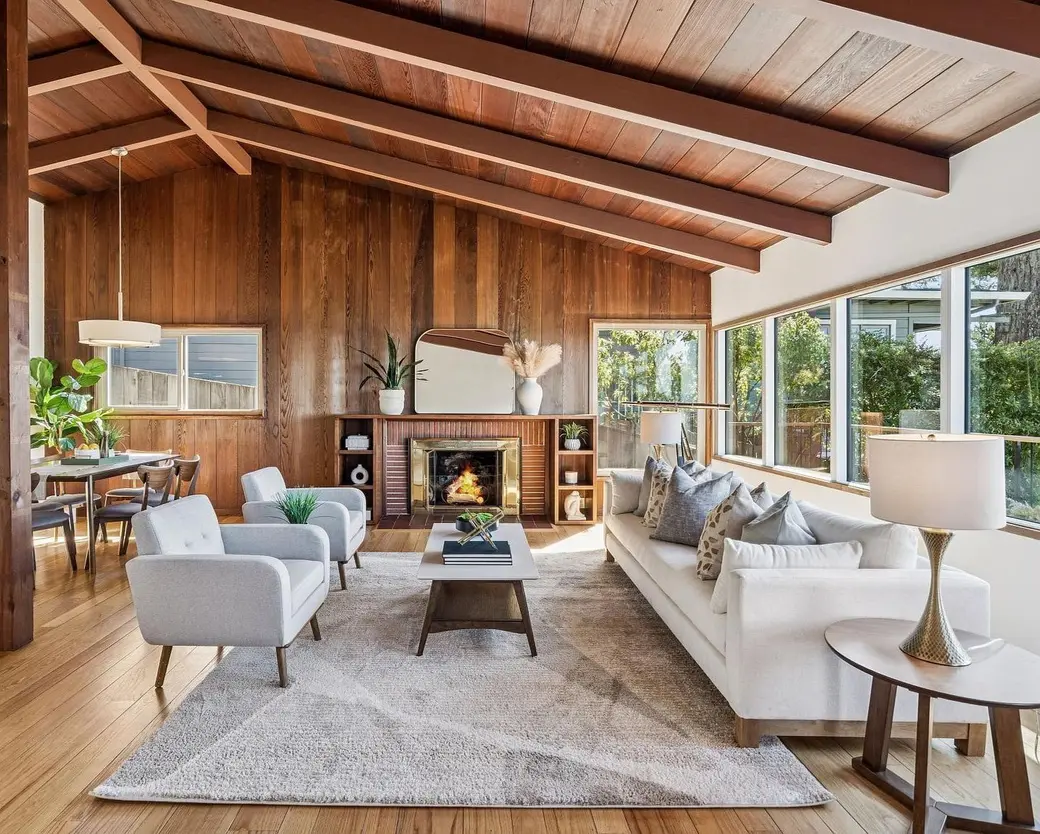
If you’re asking “what happens if my Berkeley home doesn’t sell?” the most important thing to understand is this:
In most cases, a stagnant listing is not a market failure—it’s a positioning issue.
In Berkeley’s 2026 real estate environment, well-positioned homes are still moving, which means a property that sits without offers is usually signaling a disconnect between:
- Pricing strategy
- Buyer expectations
- Presentation and condition
- Market timing or exposure
The good news is that these issues are typically correctable with the right adjustments.
The First Signal: What the Market Is Telling You
When a home doesn’t generate offers, the market is already providing feedback. Common signals include:
- Low showing activity after launch
- Open houses with minimal engagement
- Buyer comments centered on “price vs condition mismatch”
- Online interest without in-person conversion
- No offers within the first 10–21 days
In Berkeley, that early window is critical. If a home isn’t gaining traction within that period, it usually needs a strategic reset—not just more time.
The Most Common Reasons Berkeley Homes Don’t Sell
1. Pricing Misalignment
The most frequent issue is pricing that doesn’t align with recent comparable sales or current buyer psychology.
Even a small pricing gap can cause buyers to skip a listing entirely and wait for a price reduction.
2. Overlooking Micro-Market Differences
Berkeley is not a uniform market. A home in North Berkeley, Elmwood, or the Hills can perform very differently than a similar home in South or West Berkeley.
Buyers evaluate based on neighborhood-specific value, not city averages.
3. Condition vs Price Expectation Mismatch
One of the most common breakdowns happens when:
- Buyers expect move-in ready
- But the home requires updates or repairs
This gap often leads to “nice but overpriced” feedback that prevents offers.
4. Weak First-Week Market Exposure
In 2026, most serious buyer activity happens early. If the listing launch is not optimized (pricing, staging, photography, timing), momentum is difficult to recover later.
5. Presentation and Emotional Impact
Buyers don’t just compare numbers—they compare feelings.
Homes that lack:
- Staging clarity
- Lighting optimization
- Visual appeal in photos
often lose urgency even if the price is competitive.
What Happens If Your Home Doesn’t Sell?
If a Berkeley home sits on the market without offers, several things typically occur:
Reduced Buyer Interest Over Time
The longer a home is listed, the more buyers assume:
- Something is “wrong” with it
- Negotiation leverage has increased
- A price reduction is coming
Increased Likelihood of Price Adjustments
Most stagnant listings eventually require:
- Strategic price repositioning
- Or a full relaunch after reset
Potential Shift in Marketing Strategy
This may include:
- New staging
- New photography
- Revised listing copy
- Repositioned target buyer pool
What to Do Next If Your Home Isn’t Selling
1. Re-Evaluate Pricing Strategy
This is the most important step. Pricing should be re-anchored to:
- Recent closed sales (not active listings)
- Current competing inventory
- Actual buyer behavior in your neighborhood
2. Reassess Buyer Feedback (Even the Silence Is Feedback)
If buyers are not engaging, that is also data.
Look for patterns in:
- Showing comments
- Agent feedback
- Online engagement metrics
3. Improve Presentation
Small changes can materially impact perception:
- Professional staging adjustments
- Updated photography
- Decluttering and depersonalization
- Light renovations or repairs
4. Reposition the Listing Strategically
Sometimes the issue is not the home—it’s how it’s being positioned.
This can include:
- Adjusting price brackets
- Changing marketing emphasis
- Targeting a different buyer demographic
5. Consider a Temporary Withdrawal and Relaunch
In some cases, pulling the listing and relaunching later can reset:
- Days on market perception
- Buyer psychology
- Competitive comparison set
Berkeley Market Reality Check (2026)
Even in a competitive market, not all listings perform equally.
Recent trends show:
- Well-positioned homes still selling within weeks
- Overpriced homes sitting significantly longer
- Buyers becoming increasingly selective about condition and value alignment
The key factor is not whether homes are selling—but whether yours is aligned with current demand.
Thinking About What to Do Next?
If your Berkeley home isn’t getting the attention or offers you expected, the solution is usually not waiting longer—it’s repositioning correctly.
A professional market review can help you understand:
- Why your home hasn’t sold
- What buyers are responding to in your price range
- Whether pricing or condition is the core issue
- What specific changes would improve results
- Whether a relaunch strategy makes sense
📩 Contact Parisa Samimi for a confidential listing performance review.
You’ll get a clear, data-driven breakdown of what’s working, what isn’t, and the exact steps to get your home sold in today’s Berkeley market.
Categories
Recent Posts





GET MORE INFORMATION

Parisa Samimi
Founder & Real Estate Broker License ID: 01858122
Founder & Real Estate Broker License ID: 01858122