
Executor's Guide to Selling an Estate Home

Being named as the executor of an estate is both an honor and a significant responsibility. In addition to carrying out the wishes of the deceased, executors are often responsible for managing one of the estate's most valuable assets—the family home.
For many people, this is their first time handling an estate sale. Between legal requirements, family dynamics, property preparation, and financial decisions, the process can feel overwhelming. Fortunately, understanding your role and working with experienced professionals can make the process much more manageable.
This guide explains the responsibilities of an executor, outlines the steps involved in selling an estate home, and offers practical advice for navigating the process with confidence.
Note: This article is intended as a general educational resource. Probate procedures and an executor's legal authority vary depending on state law and the circumstances of the estate. Executors should consult with an estate planning or probate attorney regarding their specific situation.
Featured Snippet
What is an executor's role when selling an estate property?
An executor is responsible for managing the deceased person's estate according to the will and applicable law. When real estate is involved, the executor may be responsible for protecting the property, obtaining court authority if required, working with professionals to prepare and market the home, paying estate obligations, and distributing the proceeds to beneficiaries after the sale.
What Is an Executor?
An executor (sometimes called a personal representative) is the individual named in a will to administer a person's estate after they pass away.
The executor's duties typically include:
- Identifying estate assets
- Protecting estate property
- Paying valid debts and taxes
- Communicating with beneficiaries
- Working with attorneys and financial professionals
- Distributing estate assets according to the will
If the estate includes real estate, the executor is often responsible for overseeing the sale of the property.
Step 1: Confirm Your Legal Authority
Before taking any action, the executor should determine what legal authority is required to sell the home.
Depending on the circumstances, this may involve:
- Reviewing the will
- Opening the probate estate if necessary
- Receiving appointment by the probate court
- Obtaining documents that establish authority to act on behalf of the estate
Real estate should not be listed for sale until the executor understands their legal authority and any court requirements that may apply.
Step 2: Secure the Property
One of an executor's first responsibilities is protecting estate assets.
This includes ensuring the home remains safe and properly maintained.
Tasks may include:
- Changing locks if necessary
- Confirming insurance coverage
- Maintaining utilities
- Caring for landscaping
- Preventing deferred maintenance
- Protecting valuable personal property
An unoccupied home should be monitored regularly to reduce the risk of damage or vandalism.
Step 3: Gather Important Documents
Preparing documents early can help prevent delays once the property is ready for sale.
Common documents include:
- The will
- Court appointment documents
- Property deed
- Mortgage information
- Property tax records
- Homeowners association documents (if applicable)
- Utility information
- Insurance policies
Your attorney, title company, and real estate professional can help identify any additional documents needed for the transaction.
Step 4: Determine the Home's Value
One of the executor's most important responsibilities is determining a fair market value for the property.
An accurate valuation helps:
- Support informed decision-making
- Protect the interests of beneficiaries
- Develop an effective pricing strategy
- Reduce the likelihood of disputes
A real estate professional can prepare a Comparative Market Analysis (CMA), and in some cases an independent appraisal may also be appropriate.
Step 5: Decide Whether to Make Repairs
Not every estate home requires extensive renovations before being listed.
Instead, executors should evaluate whether targeted improvements could improve marketability and increase the final sales price.
Common recommendations include:
- Professional cleaning
- Decluttering
- Fresh paint
- Landscaping
- Minor repairs
- Professional staging
The goal is to maximize value without making unnecessary expenditures from the estate.
Step 6: Prepare the Home for Sale
First impressions matter.
Preparing the property before listing often includes:
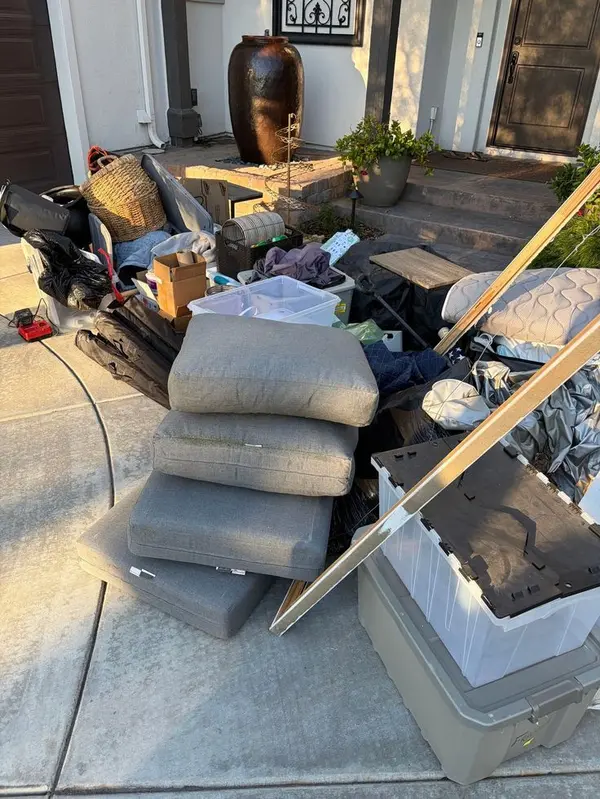
- Removing excess personal belongings
- Organizing furniture
- Deep cleaning
- Professional photography
- Floor plans
- Video tours
- Marketing materials
Thoughtful preparation helps attract more buyers and often leads to stronger offers.
Step 7: Market the Property
A successful estate sale depends on more than placing the home on the MLS.
An effective marketing strategy may include:
- Professional photography
- Digital advertising
- Broker tours
- Open houses
- Social media marketing
- Email campaigns
- Targeted buyer outreach
Every marketing plan should be tailored to the property's location, condition, and likely buyer profile.
Step 8: Review Offers Carefully
While the highest offer may seem like the obvious choice, executors should evaluate the complete terms of each offer.
Important considerations include:
- Purchase price
- Financing strength
- Contingencies
- Earnest money deposit
- Closing timeline
- Overall likelihood of closing successfully
Selecting the strongest overall offer often provides the best outcome for the estate.
Step 9: Complete Escrow
Once an offer is accepted, the transaction enters escrow.
During this stage, the executor may coordinate:
- Inspections
- Buyer requests
- Title review
- Required disclosures
- Closing documents
- Transfer of ownership
Staying organized and responding promptly to requests can help keep the transaction on schedule.
Step 10: Distribute Sale Proceeds
After the sale closes, proceeds are generally used to satisfy any outstanding estate obligations before distributions are made according to the will and applicable law.
Executors should work closely with the estate attorney and CPA to ensure funds are handled appropriately.
Common Challenges Executors Face
Selling an estate home often involves more than a real estate transaction.
Common challenges include:
Emotional Attachments
Family homes frequently hold decades of memories, making decisions emotionally difficult.
Family Disagreements
Beneficiaries may have different opinions regarding pricing, repairs, or whether the property should be sold at all.
Maintaining clear communication can help reduce conflict.
Deferred Maintenance
Many estate homes require repairs after years of ownership.
An experienced real estate professional can help determine which improvements are worthwhile before listing.
Complex Timelines
Probate requirements, legal documentation, and market conditions can all affect the timing of the sale.
Planning ahead helps reduce delays.
Why Professional Guidance Matters
Executors rarely handle estate sales on a regular basis.
Working with experienced professionals can simplify the process.
Your advisory team may include:
- Probate attorney
- CPA
- Financial advisor
- Escrow officer
- Title company
- Estate sale company
- Professional organizer
- Trust and estate real estate specialist
Each professional contributes valuable expertise that helps protect the estate and support the executor throughout the transaction.
Frequently Asked Questions
Can an executor sell a house immediately after someone passes away?
It depends on the circumstances of the estate and applicable law. Executors should confirm their legal authority before listing or selling the property.
Does every estate home go through probate?
No. Homes held in a properly funded living trust often avoid probate, while homes owned solely in the deceased person's name may require probate administration.
Should executors renovate before selling?
It depends on the home's condition, available estate funds, and expected return on investment. Many estate homes benefit from modest improvements rather than major renovations.
Can beneficiaries stop the executor from selling the home?
The answer depends on the executor's legal authority, the will, court orders, and applicable law. Executors should seek legal guidance if disputes arise.
Final Thoughts
Serving as the executor of an estate comes with significant responsibilities, especially when real estate is involved. From securing the property and obtaining an accurate valuation to preparing the home for sale and coordinating with professionals, every step requires thoughtful planning and careful decision-making.
Although the process may seem overwhelming, you don't have to navigate it alone. By understanding your role and assembling an experienced team, you can fulfill your responsibilities with confidence while helping preserve the value of the estate for its beneficiaries.
Ready to Sell an Estate Home?
Selling an estate property requires more than simply listing a home—it requires thoughtful planning, strategic pricing, and experienced guidance through every stage of the process.
With seventeen years of experience in residential and investment real estate and a background as a former real estate appraiser, Parisa helps executors navigate estate home sales with professionalism, compassion, and market expertise. She works closely with probate attorneys, CPAs, escrow officers, and families to prepare properties for sale, develop data-driven pricing strategies, and negotiate the strongest possible results.
If you're serving as an executor and preparing to sell an estate home in the San Francisco Bay Area, contact Parisa today for a confidential consultation and personalized guidance.
About Parisa
With 25 years of experience in residential and investment real estate, Parisa is recognized as a leading top producer across the San Francisco Bay Area. Her background as a real estate appraiser gives her a rare valuation advantage, allowing clients to make informed, strategic decisions in every market condition.
Parisa's work is defined by precision, integrity, and an unwavering attention to detail. She brings a hands-on, solutions-driven approach to every transaction, ensuring that both buyers and sellers feel guided, protected, and empowered throughout the process. Her passion for the business is evident in the energy and care she brings to each client relationship, qualities that consistently set her apart. Actively representing both buyers and sellers, Parisa is known for her deep market knowledge, strong negotiation skills, and commitment to achieving exceptional results. Whether preparing a home for the market, navigating complex investment opportunities, or helping clients find the perfect property, she delivers a thoughtful and elevated experience at every step.
Categories
Recent Posts








GET MORE INFORMATION

Parisa Samimi
Founder & Real Estate Broker License ID: 01858122
Founder & Real Estate Broker License ID: 01858122