
How to Determine the True Value of a Trust Property
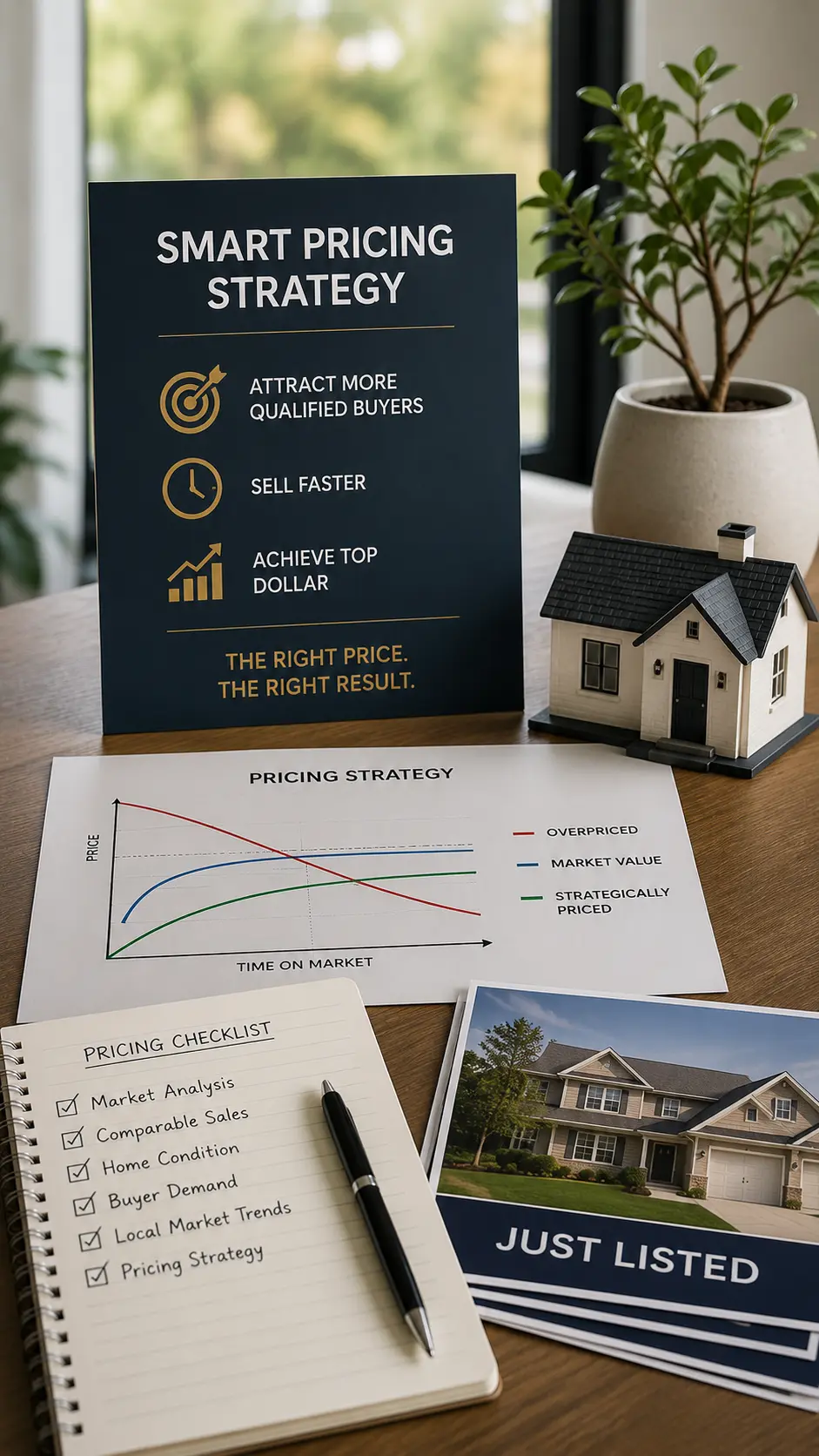
Determining the value of a trust property is one of the most important responsibilities a trustee faces. The listing price you choose can influence everything from how quickly the home sells to how much the beneficiaries ultimately receive. Price it too high, and the property may linger on the market. Price it too low, and the trust could lose significant value, potentially exposing the trustee to questions about whether they fulfilled their fiduciary duty.
Unlike a traditional home sale, a trust sale requires trustees to make decisions that are not only financially sound but also legally defensible. Every pricing decision should be based on objective market data rather than emotion or assumptions.
Whether you're selling a longtime family residence or an investment property held in a trust, understanding how to determine fair market value is essential to achieving the best possible outcome.
Featured Snippet
How do you determine the true value of a trust property?
The true value of a trust property is determined by evaluating recent comparable sales, the home's condition, current market trends, location, buyer demand, and, when appropriate, obtaining a professional appraisal. Trustees should also work with an experienced real estate professional to develop a pricing strategy that reflects fair market value while fulfilling their fiduciary responsibilities.
Why Accurate Pricing Matters
As a trustee, you have a fiduciary duty to act in the best interests of the beneficiaries. One of the clearest ways to demonstrate that responsibility is by pricing the property based on reliable data.
Accurate pricing helps:
- Maximize the property's value
- Attract qualified buyers
- Generate stronger offers
- Reduce time on the market
- Minimize price reductions
- Support the trustee's decision-making process
A well-supported pricing strategy also provides documentation should questions arise from beneficiaries regarding the sale.
Fair Market Value Explained
Fair market value is generally defined as the price a willing buyer would pay and a willing seller would accept in an open and competitive market, with neither party being under pressure to complete the transaction.
This differs from:
- Assessed value for property tax purposes
- Insurance replacement cost
- Online automated valuations
- Original purchase price
- Emotional or sentimental value
The goal is to determine what today's market is willing to pay—not what the property was worth years ago or what family members hope it will sell for.
Start With a Comparative Market Analysis (CMA)
One of the most valuable tools for determining a property's value is a Comparative Market Analysis (CMA).
A CMA compares the trust property to recently sold homes with similar characteristics, including:
- Square footage
- Lot size
- Age
- Condition
- Architectural style
- Number of bedrooms and bathrooms
- Location
- Recent upgrades
An experienced real estate professional analyzes these comparable sales and adjusts for differences to estimate the property's current market value.
Unlike automated online estimates, a CMA reflects local market conditions and neighborhood-specific trends.
When Should You Order a Professional Appraisal?
While a CMA is an excellent pricing tool, there are situations where a professional appraisal may be advisable.
Consider obtaining an appraisal when:
- Beneficiaries disagree about the property's value.
- The home is unique or difficult to compare.
- The trust document requires an appraisal.
- Tax planning requires documentation.
- The property has significant acreage or custom features.
- There is concern about future legal challenges.
An appraisal prepared by a licensed appraiser provides an independent opinion of value and can help support the trustee's decisions.
Evaluate the Home's Condition
A home's condition has a direct impact on its market value.
Buyers often compare similar properties and adjust what they are willing to pay based on:
- Roof condition
- HVAC systems
- Plumbing
- Electrical systems
- Foundation
- Windows
- Kitchens
- Bathrooms
- Flooring
- Overall maintenance
Even relatively small issues can influence buyer perception and affect offers.
Before pricing the property, consider completing inspections to identify any deferred maintenance that may impact value.
Consider Current Market Conditions
Real estate markets constantly change.
Factors that influence value include:
Inventory Levels
When inventory is low, buyers often compete for available homes, which may increase property values.
Higher inventory typically gives buyers more choices and can put downward pressure on prices.
Interest Rates
Mortgage rates affect affordability.
Higher interest rates can reduce buyer purchasing power, while lower rates often increase demand.
Buyer Demand
Neighborhood popularity, schools, transportation, employment centers, and local amenities all influence buyer demand and property value.
Understanding these trends helps trustees make informed pricing decisions.
Don't Rely Solely on Online Estimates
Online valuation tools can provide a general estimate, but they often fail to account for:
- Interior condition
- Recent renovations
- Deferred maintenance
- Local market trends
- Architectural uniqueness
- Lot characteristics
Trustees should use online estimates only as a starting point—not as the basis for determining market value.
Understand the Impact of Improvements
Not every renovation adds equal value.
Before listing, consider whether modest improvements could increase the property's appeal.
Common value-enhancing updates include:
- Fresh interior paint
- Professional cleaning
- Landscaping
- Minor repairs
- Updated lighting
- Staging
Extensive remodeling, however, may not always provide a positive return on investment.
A real estate professional can help determine which improvements are worth pursuing.
Pricing Strategy Is About More Than Value
Determining value is only part of the equation.
The pricing strategy should also reflect:
- Current competition
- Buyer expectations
- Market momentum
- Desired timeline
- Offer strategy
For example, in a competitive seller's market, pricing slightly below estimated market value may encourage multiple offers and ultimately produce a higher sales price.
In a balanced market, pricing closer to fair market value may be more effective.
The right strategy depends on current market conditions—not a one-size-fits-all formula.
Document Your Decision
Trustees should keep records that support the chosen listing price.
Helpful documentation includes:
- Comparative Market Analysis
- Professional appraisal
- Inspection reports
- Contractor estimates
- Notes regarding pricing decisions
- Market data
Maintaining these records demonstrates that pricing decisions were based on objective information and prudent judgment.
Work With a Real Estate Professional Who Understands Trust Sales
Trust property pricing requires more than simply reviewing recent sales.
An experienced real estate professional can help trustees:
- Analyze comparable properties
- Evaluate market trends
- Recommend strategic improvements
- Develop an effective pricing strategy
- Balance fiduciary responsibilities with market realities
Choosing the right advisor helps protect the trust while maximizing opportunities in the marketplace.
Frequently Asked Questions
Should every trust property receive an appraisal?
Not necessarily. Many trust sales can be accurately priced using a Comparative Market Analysis, but unique properties or situations involving beneficiary disputes may benefit from a professional appraisal.
What is the difference between an appraisal and a CMA?
An appraisal is a formal valuation prepared by a licensed appraiser, while a Comparative Market Analysis is prepared by a real estate professional using recent market data to recommend a listing price.
Can I use Zillow to determine the value of a trust property?
Online estimates may provide a general range, but they should not replace a professional valuation when making important pricing decisions.
Why is accurate pricing so important in a trust sale?
Trustees have a fiduciary duty to protect trust assets. A well-supported pricing strategy helps maximize value, attract qualified buyers, and demonstrate responsible decision-making.
Final Thoughts
Determining the true value of a trust property is one of the most important decisions a trustee will make. Pricing should never be based solely on emotion, tax assessments, or online estimates. Instead, trustees should rely on market data, professional guidance, and a thoughtful evaluation of the property's condition and current market trends.
A carefully developed pricing strategy not only increases the likelihood of a successful sale but also helps trustees fulfill their fiduciary responsibilities and protect the interests of the beneficiaries. With the right preparation and experienced guidance, trustees can confidently position the property to achieve the strongest possible outcome.
Ready to Determine the Value of Your Trust Property?
Accurate pricing is the foundation of a successful trust sale. As a former real estate appraiser with seventeen years of experience in residential and investment real estate, Parisa combines valuation expertise with in-depth market knowledge to help trustees make informed, strategic decisions.
From preparing a comprehensive Comparative Market Analysis to recommending value-enhancing improvements and developing a customized pricing strategy, Parisa provides trusted guidance throughout every stage of the transaction. If you're preparing to sell a trust-owned property in the San Francisco Bay Area, contact Parisa today for a confidential consultation and discover how expert valuation can help maximize your property's potential.
About Parisa
With 25 years of experience in residential and investment real estate, Parisa is recognized as a leading top producer across the San Francisco Bay Area. Her background as a real estate appraiser gives her a rare valuation advantage, allowing clients to make informed, strategic decisions in every market condition.
Parisa's work is defined by precision, integrity, and an unwavering attention to detail. She brings a hands-on, solutions-driven approach to every transaction, ensuring that both buyers and sellers feel guided, protected, and empowered throughout the process. Her passion for the business is evident in the energy and care she brings to each client relationship, qualities that consistently set her apart. Actively representing both buyers and sellers, Parisa is known for her deep market knowledge, strong negotiation skills, and commitment to achieving exceptional results. Whether preparing a home for the market, navigating complex investment opportunities, or helping clients find the perfect property, she delivers a thoughtful and elevated experience at every step.
Categories
Recent Posts






GET MORE INFORMATION

Parisa Samimi
Founder & Real Estate Broker License ID: 01858122
Founder & Real Estate Broker License ID: 01858122