
Preparing an Estate Property for Sale: An Executor's Checklist
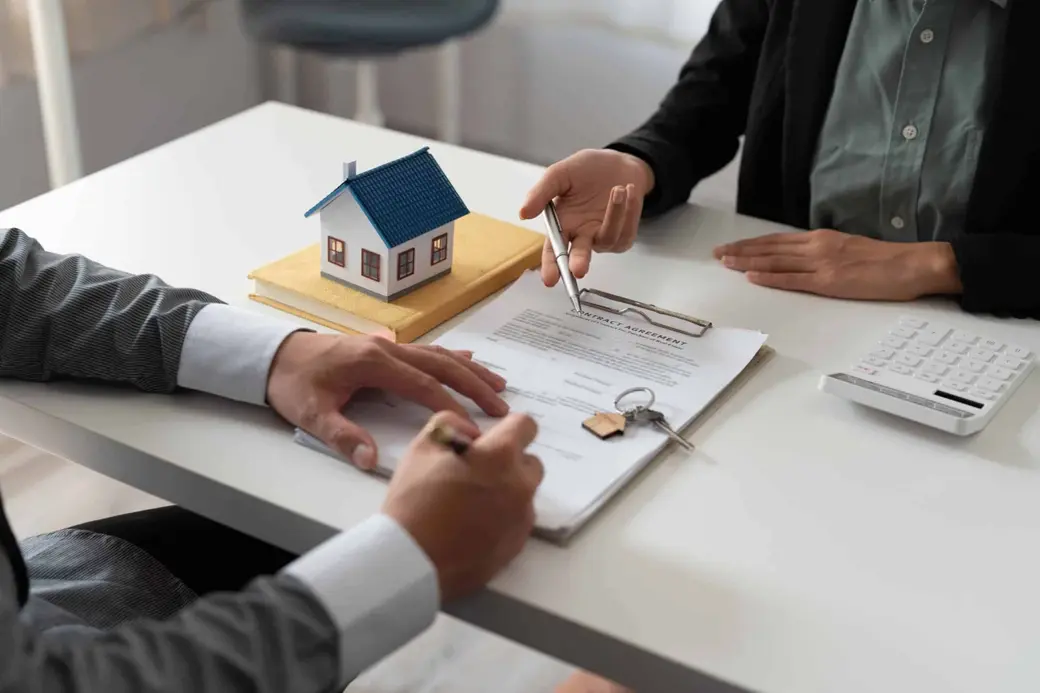
Preparing an inherited home for sale is often one of the most challenging responsibilities an executor faces. In addition to navigating legal requirements and coordinating with beneficiaries, executors must determine how to prepare the property for the market in a way that protects the estate and maximizes its value.
Many estate properties have been occupied for decades. They may contain a lifetime of personal belongings, deferred maintenance, outdated finishes, or repairs that have been postponed for years. It's natural to feel overwhelmed by the number of decisions that need to be made.
The good news is that preparing an estate home doesn't have to happen all at once. By following a structured checklist and working with experienced professionals, executors can simplify the process, avoid costly mistakes, and position the property for a successful sale.
This guide walks through each step of preparing an estate property—from securing the home to pricing it strategically and preparing for closing.
Note: This article is intended for informational purposes only. Executors should consult with a probate attorney regarding their legal authority and any court requirements before selling estate property.
Featured Snippet
How can an executor prepare an inherited home for sale?
Executors should begin by confirming their legal authority, securing the property, organizing personal belongings, gathering important documents, obtaining a professional valuation, completing cost-effective repairs, preparing the home for showings, and working with an experienced real estate professional to develop a pricing and marketing strategy.
Executor's Estate Home Preparation Checklist
✅ Step 1: Confirm Your Authority to Act
Before making decisions regarding the property, confirm your legal authority.
Depending on the circumstances, this may include:
- Reviewing the will
- Working with the probate attorney
- Receiving court appointment if required
- Confirming authority to sell
Understanding your legal responsibilities before listing the property helps prevent unnecessary delays.
✅ Step 2: Secure the Property
Once you assume responsibility for the home, protecting the property should become a priority.
Tasks may include:
- Change locks if appropriate
- Verify homeowners insurance coverage
- Maintain utilities
- Forward mail
- Secure valuables
- Schedule regular property inspections
Vacant homes require ongoing attention to protect the estate's assets.
✅ Step 3: Gather Important Documents
Collecting documentation early makes the transaction significantly smoother.
Important documents may include:
- Property deed
- Mortgage information
- Property tax records
- Utility bills
- HOA documents
- Insurance policies
- Survey (if available)
- Repair records
- Warranties
- Previous inspection reports
Keeping these documents organized will help your attorney, escrow officer, and real estate professional throughout the sale.
✅ Step 4: Inventory Personal Belongings
One of the most emotional parts of an estate sale is sorting through a loved one's possessions.
Create categories such as:
- Items specifically mentioned in the will
- Family keepsakes
- Valuable personal property
- Donations
- Items to sell
- Items to recycle or discard
Allow family members adequate time to collect sentimental belongings before preparing the home for market.
✅ Step 5: Remove Excess Clutter
Buyers want to imagine themselves living in the home.
Removing excess furniture and personal items helps:
- Make rooms appear larger
- Improve photography
- Highlight architectural features
- Create a cleaner appearance
Professional organizers or estate sale companies can often assist with this process.
✅ Step 6: Evaluate the Home's Condition
Walk through the property with experienced professionals to identify repairs that could improve marketability.
Pay attention to:
- Roof
- Plumbing
- Electrical
- HVAC
- Foundation
- Windows
- Flooring
- Kitchens
- Bathrooms
Not every repair is necessary, but understanding the home's condition helps develop an effective preparation strategy.
✅ Step 7: Complete High-Value Improvements
Rather than undertaking major renovations, many estate homes benefit from modest improvements.
Examples include:
- Fresh interior paint
- Deep cleaning
- Landscaping
- Pressure washing
- Minor repairs
- Updated lighting
- Carpet cleaning
These improvements often provide an excellent return on investment.
✅ Step 8: Obtain a Professional Valuation
Accurate pricing is one of the executor's most important responsibilities.
A real estate professional can prepare:
- Comparative Market Analysis (CMA)
- Local market evaluation
- Pricing strategy
- Buyer demand analysis
In certain situations, an independent appraisal may also be appropriate.
✅ Step 9: Stage the Home
Professional staging allows buyers to visualize the property's potential.
Benefits include:
- Better online presentation
- Increased buyer interest
- Improved showing experience
- Faster sales
- Potentially stronger offers
Even partial staging can significantly improve first impressions.
✅ Step 10: Prepare Professional Marketing
Today's buyers begin their search online.
Quality marketing should include:
- Professional photography
- Floor plans
- Video tours
- Property website
- Digital advertising
- Social media promotion
- Email marketing
- Open houses
A comprehensive marketing strategy exposes the property to the largest pool of qualified buyers.
✅ Step 11: Review Offers Carefully
Price is only one part of the decision.
Executors should evaluate:
- Financing strength
- Contingencies
- Closing timeline
- Buyer qualifications
- Overall certainty of closing
The strongest offer is not always the highest offer.
✅ Step 12: Stay Organized Through Closing
Throughout escrow, maintain records of:
- Contracts
- Inspection reports
- Repair invoices
- Communications
- Escrow documents
- Closing statements
Good recordkeeping helps demonstrate responsible estate administration.
Common Estate Property Challenges
Many executors encounter similar obstacles during the preparation process.
Emotional Attachments
Sorting through decades of memories can make decisions difficult.
Taking the process one step at a time often reduces stress.
Deferred Maintenance
Many inherited homes have not been updated in years.
Professional guidance helps determine which repairs are worthwhile.
Family Disagreements
Beneficiaries may have different opinions regarding:
- Repairs
- Pricing
- Timing
- Personal belongings
Clear communication helps minimize misunderstandings.
Tight Timelines
Mortgage payments, insurance, utilities, and property taxes continue while the property remains unsold.
Preparing efficiently helps reduce carrying costs.
Why Preparation Matters
Well-prepared homes typically:
- Generate more buyer interest
- Photograph better online
- Receive stronger offers
- Spend fewer days on the market
- Sell closer to their full market value
Thoughtful preparation often pays dividends throughout the sales process.
Frequently Asked Questions
Should executors clean the home before selling?
Yes. Professional cleaning is one of the most cost-effective improvements and helps create a positive first impression for buyers.
Is staging worth the investment?
In many cases, yes. Staged homes often show better, photograph better, and may attract stronger offers.
Should every repair be completed?
No. Executors should prioritize repairs that improve safety, marketability, or buyer confidence while avoiding unnecessary expenses.
How long does it take to prepare an estate property?
Preparation timelines vary depending on the home's condition, the amount of personal property, required repairs, and probate requirements. Planning ahead can help streamline the process.
Final Thoughts
Preparing an estate property for sale is about much more than cleaning and listing a home. Executors must balance legal responsibilities, family expectations, and financial considerations while protecting one of the estate's most valuable assets.
By following a structured checklist, assembling the right team of professionals, and making thoughtful decisions about repairs, pricing, and presentation, executors can simplify the process and maximize the property's value for the beneficiaries.
Ready to Prepare an Estate Home for Sale?
Every estate property presents unique opportunities and challenges. Whether the home needs organization, repairs, strategic pricing, or a comprehensive marketing plan, experienced guidance can make all the difference.
With seventeen years of experience in residential and investment real estate and a background as a former real estate appraiser, Parisa helps executors prepare estate properties for the market with confidence. From coordinating trusted vendors and evaluating improvements to developing customized pricing and marketing strategies, she provides hands-on support designed to maximize value while making the process as smooth as possible.
If you're preparing to sell an estate property in the San Francisco Bay Area, contact Parisa today for a confidential consultation and personalized guidance.
About Parisa
With 25 years of experience in residential and investment real estate, Parisa is recognized as a leading top producer across the San Francisco Bay Area. Her background as a real estate appraiser gives her a rare valuation advantage, allowing clients to make informed, strategic decisions in every market condition.
Parisa's work is defined by precision, integrity, and an unwavering attention to detail. She brings a hands-on, solutions-driven approach to every transaction, ensuring that both buyers and sellers feel guided, protected, and empowered throughout the process. Her passion for the business is evident in the energy and care she brings to each client relationship, qualities that consistently set her apart. Actively representing both buyers and sellers, Parisa is known for her deep market knowledge, strong negotiation skills, and commitment to achieving exceptional results. Whether preparing a home for the market, navigating complex investment opportunities, or helping clients find the perfect property, she delivers a thoughtful and elevated experience at every step.
Categories
Recent Posts






GET MORE INFORMATION

Parisa Samimi
Founder & Real Estate Broker License ID: 01858122
Founder & Real Estate Broker License ID: 01858122