
The Ultimate Trust & Estate Home Selling Checklist

Selling a trust or estate property involves far more than placing a "For Sale" sign in the yard. Trustees and executors are responsible for managing legal, financial, and practical tasks while protecting the interests of beneficiaries and complying with their fiduciary duties.
For many families, this is their first experience handling a trust or estate sale. The process can feel overwhelming, especially when balancing legal requirements, emotional decisions, property preparation, and market timing.
A well-organized checklist can make all the difference. By breaking the process into manageable steps, trustees and executors can stay organized, reduce delays, and confidently move toward a successful sale.
Whether you're selling a home held in a trust or managing a probate estate, this comprehensive checklist will help guide you through each stage of the process.
Note: This checklist is intended as a general educational resource. Trustees and executors should consult with qualified legal and tax professionals regarding the specific requirements applicable to their situation.
Featured Snippet
What checklist should trustees and executors follow before listing a property?
Before listing a trust or estate property, trustees and executors should confirm their legal authority, gather important documents, secure and insure the property, organize personal belongings, evaluate repairs, obtain a professional valuation, prepare the home for showings, develop a marketing strategy, review offers carefully, and maintain complete documentation throughout the transaction.
Phase 1: Confirm Legal Authority
Before taking any action, verify that you have the legal authority to manage and sell the property.
Your Checklist
✔ Review the trust agreement or will
✔ Confirm whether the property is held in a trust or probate estate
✔ Consult an estate planning or probate attorney
✔ Obtain court appointment if required
✔ Understand any limitations on your authority
✔ Identify all beneficiaries
Beginning with a clear understanding of your legal responsibilities helps prevent unnecessary delays later in the process.
Phase 2: Secure the Property
Protecting the property is one of your first fiduciary responsibilities.
Your Checklist
✔ Change locks if necessary
✔ Verify insurance coverage
✔ Maintain utilities
✔ Inspect the property regularly
✔ Secure valuables
✔ Maintain landscaping
✔ Prevent deferred maintenance
✔ Arrange for ongoing property care if vacant
Vacant homes require consistent monitoring to preserve their value.
Phase 3: Gather Important Documents
Having paperwork organized early can make the transaction significantly smoother.
Your Checklist
✔ Property deed
✔ Trust agreement or will
✔ Court appointment documents (if applicable)
✔ Mortgage information
✔ Property tax records
✔ Insurance information
✔ HOA documents
✔ Utility records
✔ Previous inspections
✔ Repair receipts
✔ Home warranties
✔ Survey (if available)
Phase 4: Organize Personal Property
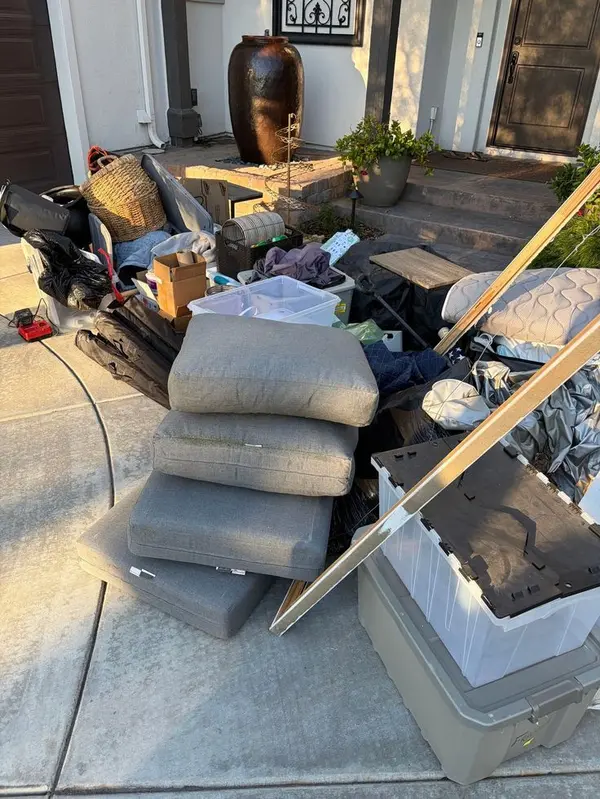
Sorting through a loved one's belongings can be emotionally difficult.
Take time to separate:
✔ Family heirlooms
✔ Items identified in the will
✔ Valuable personal property
✔ Donations
✔ Estate sale items
✔ Recyclables
✔ Items for disposal
Working systematically helps reduce stress and ensures important belongings are handled appropriately.
Phase 5: Evaluate the Property
Walk through the home with experienced professionals to assess its overall condition.
Review:
✔ Roof
✔ Foundation
✔ Plumbing
✔ Electrical
✔ HVAC
✔ Windows
✔ Flooring
✔ Kitchens
✔ Bathrooms
✔ Landscaping
Inspection reports may help identify issues before the home is listed.
Phase 6: Prepare the Home
Small improvements often produce meaningful results.
Preparation Checklist
✔ Deep clean
✔ Fresh interior paint
✔ Declutter
✔ Remove excess furniture
✔ Minor repairs
✔ Pressure wash exterior
✔ Improve landscaping
✔ Replace burned-out light bulbs
✔ Clean windows
✔ Touch up paint
✔ Eliminate odors
The objective is to create a welcoming environment that appeals to the widest range of buyers.
Phase 7: Determine Market Value
Accurate pricing is one of the most important decisions trustees and executors make.
Your Checklist
✔ Obtain a Comparative Market Analysis (CMA)
✔ Review comparable sales
✔ Understand neighborhood trends
✔ Consider obtaining an appraisal
✔ Evaluate current buyer demand
✔ Develop a pricing strategy
Pricing should be based on objective market data rather than emotional attachment or online estimates.
Phase 8: Prepare Professional Marketing
Today's buyers begin their search online.
Marketing Checklist
✔ Professional photography
✔ Drone photography (if appropriate)
✔ Floor plans
✔ Video walkthrough
✔ Property website
✔ MLS listing
✔ Social media advertising
✔ Email campaigns
✔ Broker networking
✔ Open houses
A comprehensive marketing strategy increases exposure and attracts qualified buyers.
Phase 9: Evaluate Offers
Don't focus solely on price.
Review:
✔ Purchase price
✔ Financing strength
✔ Down payment
✔ Contingencies
✔ Inspection requests
✔ Closing timeline
✔ Earnest money deposit
✔ Overall likelihood of closing
The strongest offer often provides the greatest certainty of a successful transaction.
Phase 10: Manage Escrow
Once an offer is accepted, stay organized throughout escrow.
Escrow Checklist
✔ Complete disclosures
✔ Coordinate inspections
✔ Respond to buyer requests
✔ Review title documents
✔ Sign closing paperwork
✔ Monitor deadlines
✔ Confirm funding
✔ Coordinate possession
Keeping communication open among all parties helps reduce delays.
Phase 11: Close the Sale
As closing approaches:
✔ Review the final settlement statement
✔ Confirm proceeds
✔ Coordinate with the attorney
✔ Maintain copies of all documents
✔ Pay outstanding obligations
✔ Prepare for asset distribution according to the trust or estate
Good recordkeeping remains essential even after the transaction is complete.
Common Mistakes to Avoid
Trustees and executors can often avoid delays by steering clear of these common mistakes:
- Waiting too long to prepare the home
- Pricing based on emotion instead of market data
- Ignoring needed maintenance
- Poor communication with beneficiaries
- Incomplete documentation
- Hiring professionals without trust or estate experience
- Overlooking tax considerations
- Failing to understand fiduciary duties
Recognizing these issues early can help create a smoother transaction.
Build the Right Team
Successful trust and estate sales involve collaboration among experienced professionals.
Your team may include:
- Estate planning attorney
- Probate attorney
- CPA
- Financial advisor
- Professional organizer
- Estate sale company
- Contractor
- Home stager
- Escrow officer
- Title company
- Trust and estate real estate specialist
Having the right advisors helps trustees and executors make informed decisions throughout the process.
Frequently Asked Questions
Do all trust properties avoid probate?
Not necessarily. The property must be properly transferred into the trust to generally avoid probate.
Should every estate home be renovated?
No. Many homes benefit from modest improvements rather than major renovations. The decision should be based on market conditions and expected return on investment.
How important is professional marketing?
Professional marketing increases buyer exposure, generates more interest, and can contribute to stronger offers and higher sale proceeds.
Why should trustees and executors keep detailed records?
Accurate documentation demonstrates responsible administration and helps support important decisions throughout the transaction.
Final Thoughts
Selling a trust or estate property involves numerous moving parts, but it doesn't have to be overwhelming. By following a structured checklist, trustees and executors can stay organized, fulfill their fiduciary responsibilities, and make informed decisions that benefit the beneficiaries.
From confirming legal authority and preparing the home to pricing strategically, marketing effectively, and successfully closing escrow, every step contributes to a smoother transaction and stronger financial outcome.
Ready to Navigate Your Trust or Estate Home Sale?
Selling inherited real estate is one of the most significant responsibilities a trustee or executor can undertake. Having a knowledgeable professional by your side can help simplify the process while protecting the value of one of the estate's most important assets.
With seventeen years of experience in residential and investment real estate and a background as a former real estate appraiser, Parisa provides trustees and executors with strategic guidance from the initial property evaluation through closing. She coordinates with attorneys, CPAs, escrow professionals, and trusted vendors to help clients prepare homes, maximize value, and navigate every step of the sales process with confidence.
If you're preparing to sell a trust or estate property in the San Francisco Bay Area, contact Parisa today for a confidential consultation and expert guidance tailored to your unique situation.
About Parisa
With 25 years of experience in residential and investment real estate, Parisa is recognized as a leading top producer across the San Francisco Bay Area. Her background as a real estate appraiser gives her a rare valuation advantage, allowing clients to make informed, strategic decisions in every market condition.
Parisa's work is defined by precision, integrity, and an unwavering attention to detail. She brings a hands-on, solutions-driven approach to every transaction, ensuring that both buyers and sellers feel guided, protected, and empowered throughout the process. Her passion for the business is evident in the energy and care she brings to each client relationship, qualities that consistently set her apart. Actively representing both buyers and sellers, Parisa is known for her deep market knowledge, strong negotiation skills, and commitment to achieving exceptional results. Whether preparing a home for the market, navigating complex investment opportunities, or helping clients find the perfect property, she delivers a thoughtful and elevated experience at every step.
Categories
Recent Posts







GET MORE INFORMATION

Parisa Samimi
Founder & Real Estate Broker License ID: 01858122
Founder & Real Estate Broker License ID: 01858122