
What Should You Get Rid of Before Selling Your Bay Area Home?
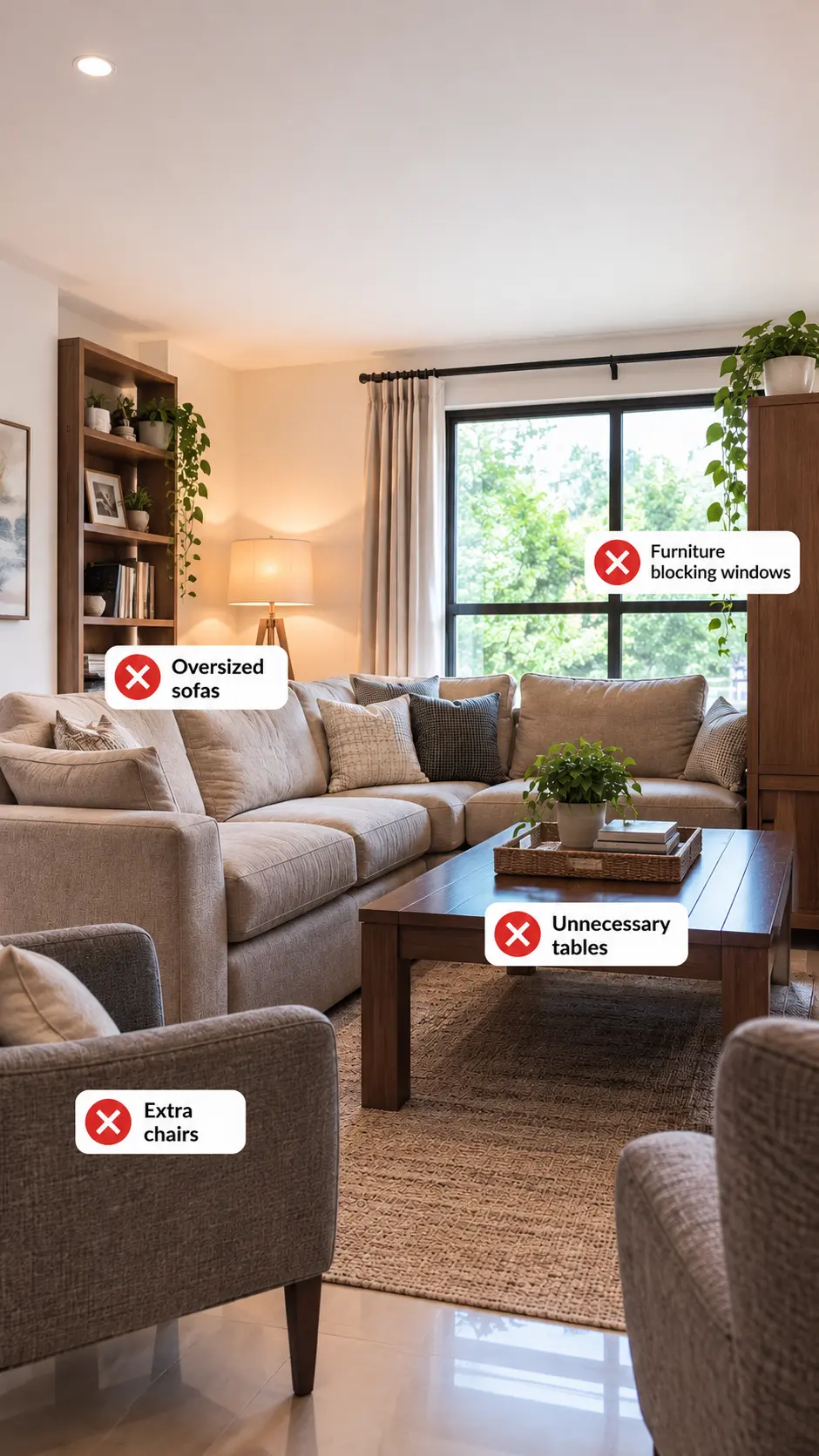
Selling a home in the San Francisco Bay Area often requires more preparation than simply putting a sign in the yard. One of the most important steps is deciding what should stay, what should go, and what should be temporarily stored before your home hits the market.
After years of living in a home, belongings naturally accumulate. Closets become crowded, garages fill up, countertops become storage areas, and rooms may contain furniture that no longer serves a purpose.
But buyers don't see your belongings the way you do.
They see the space, layout, storage, condition, and potential of the property.
That's why strategic decluttering can make a meaningful difference in how your home is presented.
Why Should You Get Rid of Things Before Selling?
The objective isn't to make your home look empty.
It's to make the property itself easier to see.
Too many belongings can:
- Make rooms appear smaller
- Hide architectural features
- Make closets look inadequate
- Obstruct walking paths
- Distract buyers from improvements
- Make photography less effective
- Make the home feel less maintained
- Make it harder for buyers to imagine themselves living there
In a competitive Bay Area market, presentation matters.
A buyer may only spend a few minutes inside your home, but their impression can influence whether they want to make an offer.
Start With Anything You Don't Use
The easiest place to begin is with items you already know you don't need.
Look for:
- Clothes you haven't worn
- Broken appliances
- Duplicate kitchen items
- Unused exercise equipment
- Old electronics
- Outdated décor
- Excess linens
- Toys no longer being used
- Boxes you've never unpacked
- Furniture sitting unused
If you haven't used something in years and you're not planning to move it to your next home, this may be the right time to let it go.
Remove Excess Furniture
Furniture is one of the biggest contributors to visual clutter.
A room can technically be large but feel small if too much furniture occupies the floor space.
Look at each room and ask:
Does this piece help buyers understand the room, or does it make the room feel crowded?
Consider removing:
- Extra chairs
- Oversized sofas
- Unnecessary side tables
- Multiple bookcases
- Extra dressers
- Large desks
- Exercise equipment
- Furniture blocking windows
- Furniture that restricts walking paths
You don't necessarily need to replace everything.
Sometimes simply removing one or two pieces can dramatically improve the flow of a room.
Clear Your Kitchen Counters
The kitchen is one of the most important spaces in a home, and buyers want to understand its functionality.
Try to remove anything that isn't essential.
That may include:
- Toasters
- Blenders
- Coffee equipment
- Paperwork
- Food containers
- Excess décor
- Knife blocks
- Small appliances
- Large collections of cooking equipment
You don't need a completely empty kitchen.
But buyers should be able to see the counter space and overall layout.
Declutter Your Closets
One of the most common seller mistakes is overlooking closets.
A buyer opening a packed closet may immediately think:
"There isn't enough storage."
Even if the closet is actually quite large.
Remove clothing and belongings you don't regularly use. Organize what remains and create visible space between items.
This allows buyers to better understand the closet's capacity.
Clean Out the Garage
Bay Area homeowners often use garages for more than cars.
Over time, they can become storage areas for:
- Tools
- Holiday decorations
- Sports equipment
- Boxes
- Old furniture
- Gardening supplies
- Children's belongings
- Unused appliances
A crowded garage can make the property feel as though it lacks storage.
Before listing, determine what can be sold, donated, discarded, or stored elsewhere.
The goal is to show buyers how the garage can actually function.
Remove Excess Personal Photos
Family photographs are part of what makes a home feel personal.
But when selling, you want buyers to begin imagining the property as their own.
You don't have to remove every photograph.
Instead, consider reducing large collections and highly personal displays.
This creates a more neutral environment without making the home feel cold.
Put Away Collections
Collections can be visually overwhelming.
Examples include:
- Figurines
- Memorabilia
- Books
- Artwork
- Antiques
- Travel souvenirs
- Sports collections
- Decorative plates
- Large plant collections
A few carefully selected pieces can add character.
An entire collection covering every surface can distract buyers from the property.
Remove Seasonal Items
If you're selling during summer, buyers don't need to see boxes of Christmas decorations.
If you're selling during winter, large amounts of summer equipment may unnecessarily fill storage areas.
Pack seasonal belongings early.
This creates more space and also gives you a head start on your eventual move.
Don't Forget the Bathrooms
Bathroom counters should be relatively clear.
Put away:
- Excess toiletries
- Medication
- Hair tools
- Cleaning products
- Personal hygiene products
- Extra towels
- Decorative items that crowd the space
Buyers should be able to see the countertops, cabinets, fixtures, and overall condition.
Remove Items From Hallways and Stairways
Safety and flow matter.
Shoes, furniture, boxes, baskets, and other belongings shouldn't interfere with natural walking paths.
A clear hallway makes the home feel more spacious and easier to navigate.
It also helps buyers understand how the floor plan connects.
What About Children's Belongings?
Children's rooms can be particularly challenging.
You don't need to eliminate everything.
Instead, reduce the amount of visible clutter.
Consider storing:
- Outgrown toys
- Excess stuffed animals
- Extra furniture
- Large toy collections
- Clothing that no longer fits
- Art supplies that aren't being used
The goal is to allow buyers to see the size and functionality of the room.
What About Items With Sentimental Value?
This is where decluttering becomes emotional.
You may have belongings that are not particularly valuable financially but are extremely meaningful personally.
Don't make yourself throw those things away.
Instead, consider temporary storage.
You can revisit those decisions after the sale and after you've moved into your next home.
The goal of pre-sale decluttering is not to force emotional decisions under pressure.
It's to prepare the property for the market.
What Should You Sell Instead of Donate?
Some belongings may have meaningful resale value.
Consider selling:
- High-quality furniture
- Collectibles
- Designer pieces
- Antiques
- Electronics
- Specialty equipment
- Artwork
- Tools
- Gently used appliances
However, don't spend months trying to sell inexpensive items individually.
Your time has value too.
If an item is worth $20 but requires hours of photographing, listing, negotiating, and arranging pickup, donating it may be the more practical choice.
What Should You Store?
Temporary storage can be appropriate for belongings that you plan to keep but don't need during the sale.
Examples include:
- Family heirlooms
- Seasonal belongings
- Extra furniture
- Important documents
- Collectibles
- Items for your next home
- Personal belongings you aren't ready to part with
But don't use storage as an excuse to avoid making decisions.
If you're already planning to move, selling or donating unnecessary belongings before the move can save you time and money later.
A Simple Four-Category System
When going through your home, create four categories:
KEEP
Items that will definitely move with you.
SELL
Items that have enough financial value to justify selling.
DONATE
Useful items you no longer need.
STORE
Items you want to keep but don't need during the listing.
This system makes a large decluttering project much easier to manage.
What Should You NOT Get Rid Of?
Decluttering doesn't mean removing everything.
Be careful about removing items that help demonstrate the property's functionality.
For example:
- A dining table can show the dining area.
- A bed can demonstrate bedroom size.
- A few chairs can show how a living room functions.
- Kitchen appliances can demonstrate the kitchen's usability.
- Patio furniture can help buyers understand an outdoor space.
The goal is strategic reduction, not complete removal.
Don't Automatically Renovate
Another important consideration is distinguishing between clutter and condition.
If your kitchen looks outdated because it is crowded, decluttering may significantly improve its appearance without a renovation.
If your bathroom is visually overwhelmed by personal belongings, clearing the space may reveal that the actual condition is better than you thought.
Before spending thousands of dollars on renovations, determine what the market actually requires.
What Bay Area Sellers Should Prioritize
Every Bay Area property is different.
A small Berkeley home may need a different preparation strategy than a larger El Cerrito property.
An Oakland home with a garage may require a different approach than a condominium.
And a luxury property may require a higher level of presentation than a starter home.
Your preparation should reflect:
- Comparable properties
- Current buyer expectations
- Neighborhood
- Price range
- Property condition
- Competition
- Expected buyer profile
- Marketing strategy
This is where an experienced real estate professional can provide valuable perspective.
The Bottom Line
So, what should you get rid of before selling your Bay Area home?
Start with anything that is:
Unused.
Broken.
Duplicated.
Oversized.
Distracting.
Excessively personal.
Taking up valuable storage or floor space.
But don't remove items simply because someone told you that every home must look completely empty.
Your objective is to create a property that feels spacious, organized, functional, and inviting.
The right decluttering strategy should support your selling strategy—not become a project that consumes months of your time and thousands of dollars.
About Parisa Samimi
With 25 years of experience in residential and investment real estate, Parisa is recognized as a leading top producer across the San Francisco Bay Area. Her background as a real estate appraiser gives her a rare valuation advantage, allowing clients to make informed, strategic decisions in every market condition.
Parisa's work is defined by precision, integrity, and an unwavering attention to detail. She brings a hands-on, solutions-driven approach to every transaction, ensuring that both buyers and sellers feel guided, protected, and empowered throughout the process.
Her passion for the business is evident in the energy and care she brings to each client relationship, qualities that consistently set her apart. Actively representing both buyers and sellers, Parisa is known for her deep market knowledge, strong negotiation skills, and commitment to achieving exceptional results.
Whether preparing a home for the market, navigating complex investment opportunities, or helping clients find the perfect property, she delivers a thoughtful and elevated experience at every step.
Ready to Prepare Your Bay Area Home for Sale?
Not sure what you should remove, keep, repair, or improve before listing?
Contact Parisa Samimi for a personalized pre-sale consultation. With her appraisal background and deep knowledge of Bay Area real estate, Parisa can help you focus your time and money on the changes most likely to improve your home's presentation and marketability.
Before you declutter everything, let's determine what actually matters.
Categories
Recent Posts







GET MORE INFORMATION

Parisa Samimi
Founder & Real Estate Broker License ID: 01858122
Founder & Real Estate Broker License ID: 01858122